End-of-Monsoon Mold Checklist for Tucson Homes
Quick answer: The National Weather Service defines Tucson’s monsoon season as June 15–September 30. Mold that started during a July or August leak can still be spreading quietly in September. Before the season closes, walk swamp cooler ducts, AC condensate lines, roof and parapet flashing, window frames, and slab-level baseboards — the five spots Tucson homes hide mold most often — and get anything damp or musty checked by a local inspector.
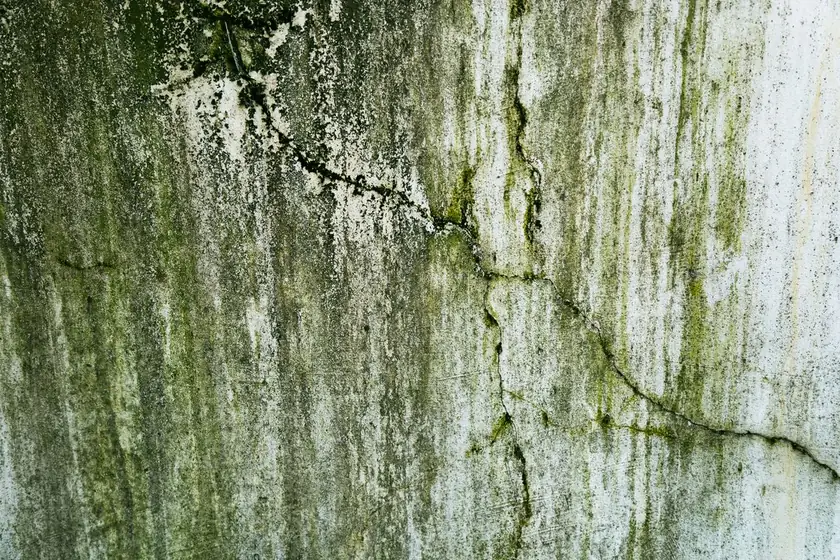
Most Tucson mold advice focuses on the moment water hits — the first 24 to 48 hours after a flood or a leak. That’s the right priority in the moment. But by late August and September, a different question matters more: what did this monsoon season leave behind that nobody’s checked yet? A slow swamp cooler drip from a July storm, a roof seam that let wind-driven rain through in August, condensation behind a baseboard that’s been quietly feeding mold for six weeks — none of that announces itself. This is the walkthrough to run before the season officially ends.
Found a musty smell, a soft spot, or a stain you can’t explain? Get connected with a local mold inspector for an independent assessment.
Check inspection availability →Why check for mold at the end of monsoon season, not just after a flood?
Mold doesn’t need an obvious flood to get started — it needs trapped moisture and time. The EPA’s guidance on mold is that materials should be dried within 24–48 hours to prevent growth, and that indoor humidity should stay below 60% (EPA mold and moisture guidance). Over a full Tucson monsoon season, there are usually several small, easy-to-miss moisture events — not just the one big storm everyone remembers. Each one gets its own 24–48 hour clock, and if nobody was watching, that clock ran out weeks ago.
What did this monsoon season actually look like?
The National Weather Service’s Tucson office tracks monsoon precipitation against a 1991–2020 climate normal, and defines the official monsoon window as June 15 through September 30 (NWS Tucson monsoon page). Some seasons run wetter than normal with repeated storm cells over the same neighborhoods — a pattern that matters because a home that took on moisture twice in six weeks has had two separate drying windows to miss, not one. If your area saw more than one or two significant storms this season, that’s reason enough to walk the checklist below even if nothing looks obviously wrong.
The room-by-room walkthrough
This takes about twenty minutes. Bring a flashlight and don’t skip the spots that are easy to ignore.
| Where to check | What you’re looking for | Why it matters this time of year |
|---|---|---|
| Swamp cooler duct & ceiling around it | Staining, soft drywall, musty smell when the unit runs | Pan and line leaks are slow — damage often shows up weeks after the drip started |
| AC condensate line & drain pan | Standing water, algae, a clogged overflow switch | Monsoon humidity spikes push condensate volume up sharply |
| Roof edges, parapets & flat-roof drains | Interior ceiling stains, bubbling paint near the roofline | Wind-driven monsoon rain finds gaps that dry-season sun never tests |
| Window & door frames | Soft stucco, dark spotting on interior sills | Sideways rain during storm cells gets past seals that hold up fine in still weather |
| Baseboards & lower drywall | Discoloration, a musty smell close to the floor | Slab-level moisture from yard runoff or a wash-adjacent lot is easy to miss at eye level |
What counts as a pass, and what’s a reason to call someone?
A dry surface with no smell and no discoloration is a pass — note it and move on. A musty smell with nothing visible is not automatically a pass; smell often shows up before staining does, especially inside a wall cavity or duct where you can’t see the material directly. Visible discoloration, soft or spongy drywall, or a smell that’s stronger in one specific spot are all reasons to have it looked at rather than paint over it or run a fan and hope. Painting over an active mold colony doesn’t remove it, and it makes a later inspection harder to read.
Where Tucson homes hide mold most often
- Evaporative cooler pans and ducts — the single most common source across Tucson, Oro Valley, and Marana; see our guide on swamp cooler leak water damage for what a slow leak looks like before it stains.
- AC condensate lines — overflow switches that fail silently let a drain pan back up inside a closet or attic for days.
- Flat and low-slope roof seams — common on Tucson’s ranch and territorial-style homes, and easy to miss from the ground.
- Stucco cracks around window and door frames — wind-driven rain during a storm cell gets pushed sideways in a way that still, dry-season weather never tests.
- Slab-level baseboards on the storm side of the house — especially on lots near a wash or with yard grading that pitches toward the foundation.
What a mold inspection actually involves
A proper inspection isn’t a glance and a guess. It typically includes a visual walkthrough, a moisture meter reading on suspect materials, and often lab-based air or surface sampling to identify species and confirm whether levels are elevated. That’s different from a remediation crew showing up to remove material — inspection comes first, and it’s how you find out whether the musty smell is actually something or nothing. Our mold testing and inspection page covers what to expect from that first visit, and if the inspection turns up an active problem, our mold remediation service in Tucson covers containment and removal.
If you’re not sure whether a stain you found this season is even covered by your policy, our guide on whether insurance covers mold damage in Tucson walks through what’s typically included and what usually isn’t. And if you want the full data behind how this season compared to a typical one, see our Tucson Monsoon Water-Damage Report.
Ran the checklist and found something? Get matched with a local mold inspector or remediation crew before it spreads further.
Get connected now →FAQ
When does Tucson’s monsoon season officially end?
The National Weather Service defines Tucson’s monsoon season as June 15 through September 30. That’s a fixed calendar window, not a weather-dependent one, so it’s a useful deadline for running a whole-home moisture check.
Can mold still be spreading weeks after a leak dried on the surface?
Yes. A surface can look and feel dry while material behind it — drywall backing, subfloor, duct insulation — stays wet for much longer, which is why a smell or stain that shows up weeks later is common rather than unusual.
Do I need lab testing, or is a visual check enough?
A visual and moisture-meter check is a reasonable first pass. Lab-based air or surface sampling adds species identification and a documented baseline, which matters more if there’s a health concern or an insurance claim involved.
Is a musty smell with no visible staining worth taking seriously?
Yes. Smell can show up before visible staining, especially for mold growing inside a wall cavity, duct, or under flooring where you can’t see the material directly.
What’s the difference between a mold inspection and mold remediation?
Inspection identifies whether there’s a problem, where it is, and how extensive it is. Remediation is the containment and removal work that follows once an active problem is confirmed.
Tucson Restoration Pros is a dispatch and referral service connecting Tucson-area homeowners with independent, licensed local mold inspection and remediation crews. We are not the service provider and do not perform inspection, testing, or remediation work ourselves, and availability is not guaranteed.
Leave a Reply