Water Damage Restoration in Cottonwood
Cottonwood is the Verde Valley’s working hub — 1920s Old Town storefronts, 1970s Verde Village, a free-flowing river on its east side, and some of the hardest water in Arizona quietly killing valves and water heaters ahead of schedule. We match you with a licensed local restoration pro, 24/7.
Get connected to a Cottonwood restoration pro
Call now — we route your request to a qualified, licensed local restoration company.
📞 Call Now — (612) 886-9863Free to request. No obligation. We connect you with independent, qualified, licensed local restoration companies — we are a referral service, not a contractor.
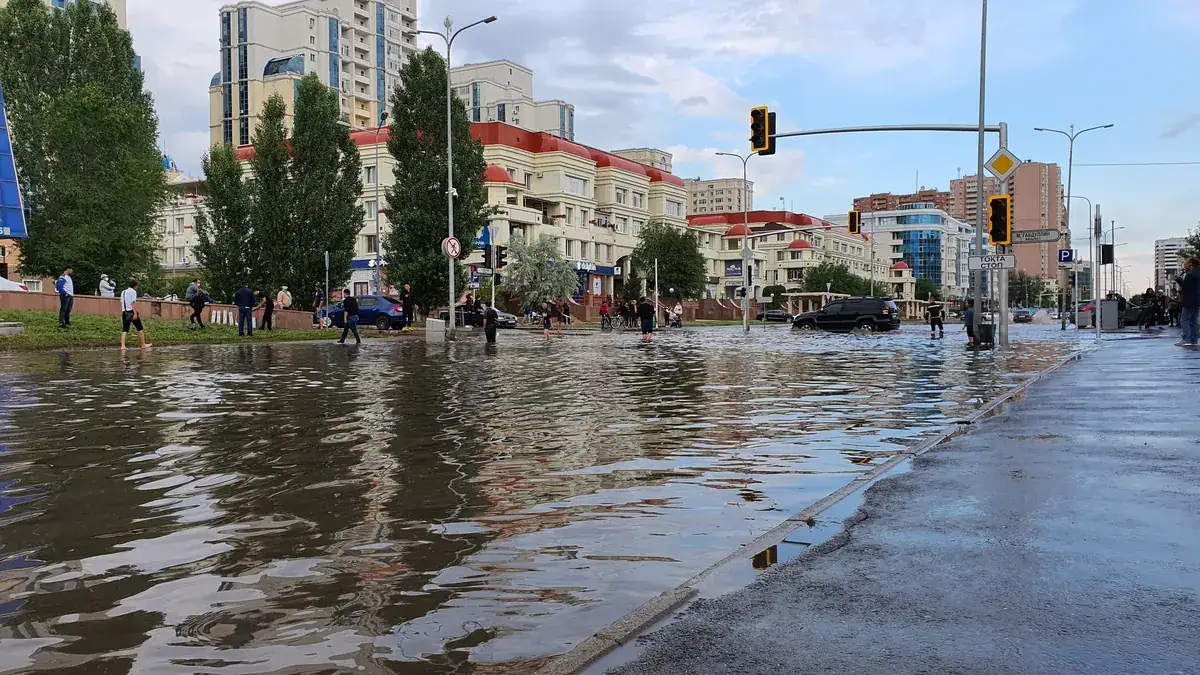
Cottonwood sits where the Verde River — Arizona’s last major free-flowing river — swings past the east side of town, and the river still sets the terms: its floodplain frames Riverfront and the low neighborhoods, and the 1993 floods remain the local benchmark for what a wet winter can do. The town above the floodplain splits into eras that fail differently: Old Town’s 1920s–30s commercial and residential blocks on original galvanized plumbing, and Verde Village’s sprawling 1970s mix of site-built and manufactured homes. Running through all of it is the Verde limestone aquifer, which delivers some of the hardest water in the state — and hard water is patient, but it always collects.
How does water damage start in Cottonwood homes?
Often at a valve that wouldn’t close. Verde Valley water carries so much dissolved limestone that scale chokes angle stops, fills gate valves, and crusts water-heater elements years ahead of the same hardware’s life in softer-water towns. Heaters here die young — sediment layers force tanks to overwork and corrode — and when an owner finally reaches for the shutoff mid-emergency, the seized valve is part of the loss. Softener and reverse-osmosis systems, common for good reason, add their own small supply lines and drain connections that fail quietly inside cabinets.
The housing eras fail on their own schedules. Old Town’s 1920s–30s buildings run original galvanized lines — narrowed by a century of rust and scale — under floors and through additions stacked across generations, so a leak can travel three renovations before it surfaces. Verde Village, platted in the 1970s, mixes aging site-built houses with manufactured homes: original supply lines reaching end-of-life, belly-wrap plumbing under the manufactured stock, and evaporative coolers still working rooftops, each with a supply line that drips all summer when a float valve sticks.
Weather does the rest. At 3,320 feet Cottonwood gets genuine freeze nights most winters — enough to split hose bibs and exposed lines, not enough to make anyone winterize like the high country. Monsoon cells off Mingus Mountain and the Black Hills sheet across the flats, and the Verde’s floodplain does what floodplains do in a big winter-storm year. Retirees make up much of town, and travel-season vacancy means summer leaks can run for weeks in an empty house.
Cottonwood at a glance
| ZIP codes | 86326 (Clarkdale 86324) |
|---|---|
| Jurisdiction | City of Cottonwood · Yavapai County |
| Elevation | ~3,320 ft |
| Terrain | Verde Valley floor between Mingus Mountain and the river |
| Key drainage | Verde River & its east-side floodplain |
| Housing stock | 1920s–30s Old Town blocks; 1970s Verde Village site-built & manufactured mix; newer Cottonwood Ranch |
From Cottonwood we can also connect you for storm & flood cleanup, swamp cooler leak help, and Arizona restoration cost guidance.
What should you do in the first hour?
Stop the source & stay safe
Shut off the water at the fixture or the main (and the power, if it’s safe). Keep people clear of sagging ceilings, contaminated water, and anything electrical that got wet.
Document it
Photograph and video everything before cleanup begins — your insurance claim is built on what you capture in these first minutes.
Get a local crew moving
We connect you with a qualified, licensed Cottonwood-area restoration company — fast. The EPA’s 24–48 hour window to limit mold starts now, not when the adjuster calls back.
Water, fire or mold damage in Cottonwood?
Get connected with a qualified, licensed local restoration crew — 24/7 across Cottonwood and statewide Arizona.
How does Arizona’s hardest water end in a flooded living room?
By shortening every component’s life and then jamming the exits. Scale builds inside a water heater until the tank runs hot, stressed, and loud; it packs the inside of older gate valves until they seize open; it narrows galvanized lines until pressure finds a weak seam. The failure that follows is ordinary — a tank lets go, a supply hose bursts — but the response is where hard water collects its real toll: the shutoff won’t turn, the minutes stretch, and the water keeps coming. That’s why the highest-value prevention in Cottonwood is unglamorous: exercise valves yearly, flush the heater, replace plastic angle stops with quarter-turn ball valves, and put a drip pan with a drain line under any tank that sits over living space.
Old Town adds a preservation problem. Its early-twentieth-century buildings — many now wine-tasting rooms, shops, and apartments above them — hide galvanized supply and clay drains under floors that have carried a century of business. When they leak, water tracks along joists and through layered renovations, so good mitigation starts with moisture-mapping the whole run, not cutting the first wet ceiling. Drying old-growth framing and plaster in place preserves what makes these blocks worth owning; wholesale demolition is the failure mode, not the fix.
The river writes the biggest checks. The Verde’s 1993 winter floods put water through low Cottonwood and Bridgeport, and the floodplain hasn’t moved — river rises during long wet winters and strong monsoon years remain the scenario for the east side. River water in a structure is Category 3, full of sediment and agricultural runoff, demanding extraction, tear-out to clean lines, disinfection, and verified drying. Homeowners policies exclude rising water, so anyone near Riverfront, Verde Village’s low sections, or the Bridgeport flats should read our Arizona flood insurance guide before the next big water year.
And for the swamp-cooler holdouts on Verde Village roofs: that little quarter-inch supply line is the most common source of the mystery ceiling stain crews find in September. Check the float valve at startup, replace the line every few seasons, and shut the water to the cooler when monsoon humidity idles it — a stuck float can send water down a parapet wall for weeks before anyone notices.
What restoration help is available in Cottonwood?
Emergency Water Removal
Standing water extracted same-day — from an Old Town building or a Verde Village manufactured home. 24/7 dispatch across the Verde Valley.
Storm & Flood Cleanup
Verde River rises and Mingus-driven runoff carry contaminated Category 3 water — cleanup means extraction, tear-out, disinfection, and verified drying.
Frozen & Burst Pipe Damage
Valley-floor freeze nights split hose bibs and exposed lines — thaw floods handled with extraction, cavity drying, and carrier-ready documentation.
Sewage Backup Cleanup
Century-old Old Town drains and root-bound laterals back up — cleaned under containment with disinfection and safe disposal.
Structural Drying & Mold Control
Air movers, dehumidifiers, and daily logged readings until the structure verifies dry — including drying historic material in place where it can be saved.
Insurance Claim Help
What to photograph, when to notify, and how Arizona claims move — plus the documentation that matters when scale-related wear enters the conversation.
Cottonwood restoration FAQs
Which Cottonwood areas do you cover?
Why do water heaters fail so fast in Cottonwood?
Does the Verde River still flood Cottonwood?
My swamp cooler left a stain on the ceiling — is that serious?
About this guide
This page is researched, written, and reviewed for local accuracy by the Tucson Restoration Pros team. It draws on primary and scientific sources — including the IICRC S500/S700 restoration standards, the U.S. EPA and CDC on mold, the WHO guidelines on dampness and mould, NWS Flagstaff forecasts and monsoon climatology, University of Arizona CLIMAS research, FEMA flood maps, and Yavapai County Flood Control District resources. See how we research. Tucson Restoration Pros is a referral service that connects Arizona homeowners with independent, qualified restoration companies; we are not a licensed restoration contractor and do not perform the work ourselves.
Arizona cities we serve
Connect with a Cottonwood restoration crew
Call now and we’ll connect you with a qualified, licensed local restoration company near you — 24/7.
📞 Call Now — (612) 886-9863Free, no obligation. We’re a referral service, not a contractor.