Water Damage Restoration in Show Low
At 6,350 feet in the White Mountains, Show Low takes the hardest winters of any market we cover in Arizona — and its cabins and second homes take the burst pipes to prove it. We match you with a licensed local restoration pro, 24/7.
Get connected to a Show Low restoration pro
Call now — we route your request to a qualified, licensed local restoration company.
📞 Call Now — (612) 886-9863Free to request. No obligation. We connect you with independent, qualified, licensed local restoration companies — we are a referral service, not a contractor.
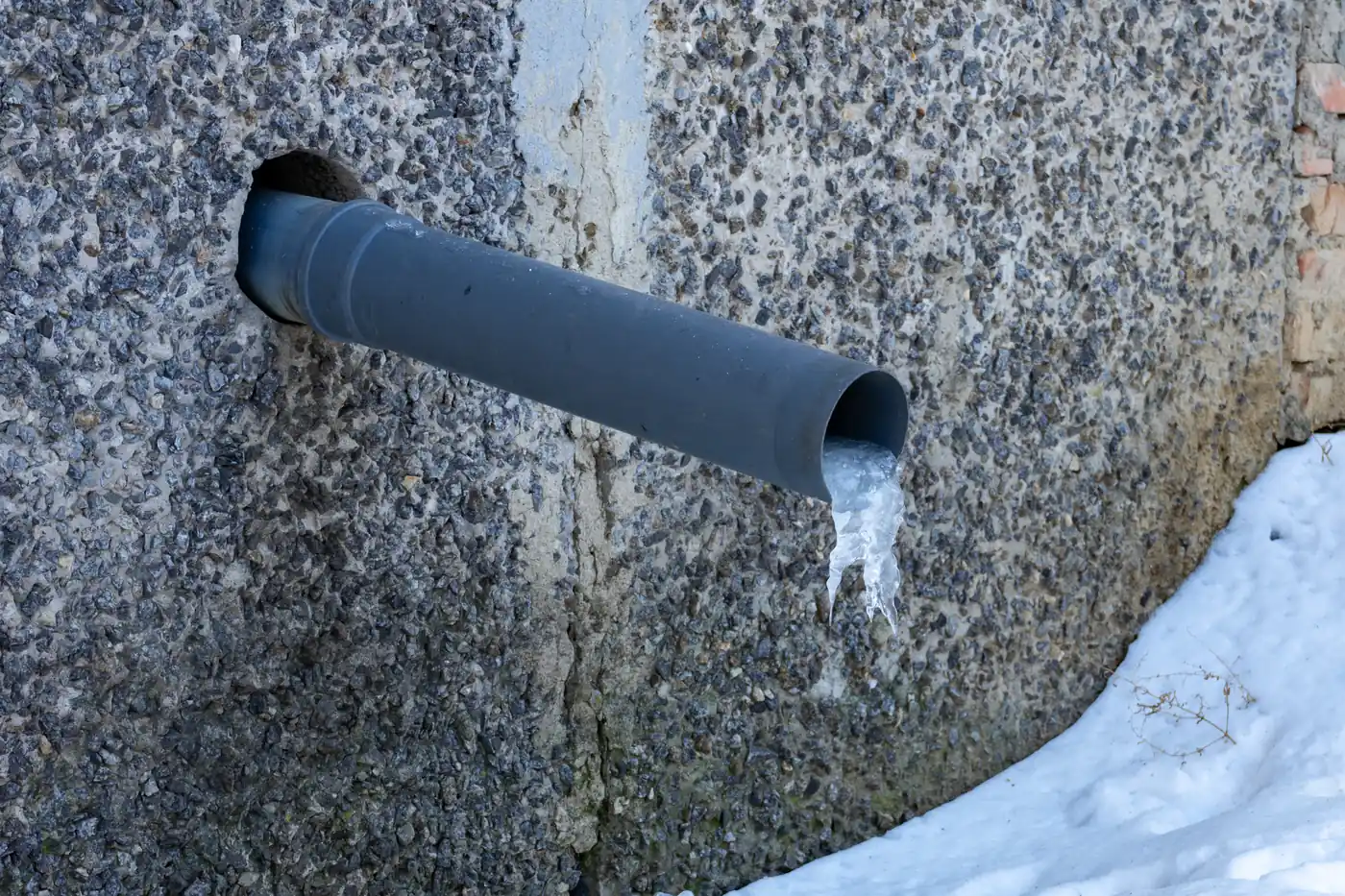
Show Low is where Arizona stops pretending about winter. At 6,350 feet, cold snaps drop well below zero, hard-freeze stretches run for weeks, and snow sits on cabin roofs long enough to build ice dams — a sentence that would sound absurd in Phoenix, two hundred road miles and a climate zone away. Because so much of the housing here is exactly that market’s escape hatch — cabins and second homes owned by Valley families — the town’s defining water loss is the frozen pipe that bursts in an empty house and runs until somebody drives up to check.
How does water damage start in Show Low homes?
Winter writes most of the claims. Sub-zero snaps freeze supply lines in exterior walls, vented crawl spaces, and garages; the burst announces itself at thaw, which in a January cold spell can be days later. Roofs carry their own version of the problem: snow melting over a warm attic refreezes at the cold eaves into ice dams that pond meltwater under shingles and push it into ceilings — damage that shows up as spring stains far from the actual leak. Manufactured homes, common across the area, freeze before site-built stock does; wind working under a skirted underbelly strips heat off floor-run plumbing that was never meant for a White Mountain night.
Vacancy multiplies all of it. Show Low’s cabin economy means whole streets sit empty midweek and all winter, so a split line doesn’t leak — it floods, sometimes for days, saturating subfloors and drifting humidity through a sealed, heated shell that becomes a mold incubator by the time anyone arrives. The classic call in this town starts with a neighbor noticing water at a garage door or a meter that never stops spinning.
Summer is no bystander. Monsoon runs strong at elevation, and the Rodeo–Chediski burn scar northwest of town — legacy of the 2002 fire that remains one of Arizona’s largest — still sheds storm water faster than healthy forest. Show Low Creek and the Fool Hollow drainages collect that runoff through town toward the lake, and creek-adjacent lots see fast rises during trained storms.
Show Low at a glance
| ZIP codes | 85901 |
|---|---|
| Jurisdiction | City of Show Low · Navajo County |
| Elevation | ~6,350 ft |
| Terrain | White Mountains ponderosa plateau |
| Key drainage | Show Low Creek & Fool Hollow drainages |
| Housing stock | Cabins & Valley-owned second homes; manufactured housing; newer golf-community builds |
From Show Low we can also connect you for frozen & burst pipe help, storm & flood cleanup, and Arizona restoration cost guidance.
What should you do in the first hour?
Stop the source & stay safe
Shut off the water at the fixture or the main (and the power, if it’s safe). Keep people clear of sagging ceilings, contaminated water, and anything electrical that got wet.
Document it
Photograph and video everything before cleanup begins — your insurance claim is built on what you capture in these first minutes.
Get a local crew moving
We connect you with a qualified, licensed Show Low-area restoration company — fast. The EPA’s 24–48 hour window to limit mold starts now, not when the adjuster calls back.
Water, fire or mold damage in Show Low?
Get connected with a qualified, licensed local restoration crew — 24/7 across Show Low and statewide Arizona.
What makes a Show Low freeze loss different from a Valley one?
Duration and depth. A Phoenix “freeze” is a few hours around dawn; a Show Low cold snap holds pipes below freezing for days and can touch double digits below zero. That’s enough to freeze lines that survive every normal winter — interior walls on north faces, well-house plumbing, the run out to a detached garage. It also means thaw and burst arrive on nature’s schedule, not the same afternoon: owners have come up on a Friday to find ice still in the line and the living room already flooded from Wednesday’s brief warm spell.
Ice dams are the roof-borne version, and they’re a genuinely alpine problem this far south. Heat escaping into the attic melts the snowpack from below; the melt refreezes over the unheated eaves; the growing dam ponds water that works backward under shingles and into top plates and ceiling insulation. By the time a stain shows in the great room, water has usually been traveling framing for weeks. Attic air-sealing and insulation — not more roof shoveling — is the long-term fix, and any interior stain after a snowy stretch deserves a moisture meter, not just paint.
Drying a structure in a White Mountain winter takes real technique. Cold outside air holds almost no moisture, which helps once it’s heated — but crews have to balance heat, air movement, and dehumidification so materials dry without freezing overnight, and log readings daily until the framing verifies dry. Wet batt insulation comes out; it will not dry in place in January. If storm or creek water was involved — a Show Low Creek rise or burn-scar runoff off the Rodeo–Chediski country — it’s contaminated Category 3, and because homeowners policies exclude rising surface water, our Arizona flood insurance guide is worth reading before you assume you’re covered.
The ownership math matters too: for a second home, every week of undiscovered damage compounds, and every documented reading helps the claim. Photograph before touching anything, notify your carrier promptly, and let the mitigation file — arrival readings, daily logs, drying verification — do the arguing for you.
What restoration help is available in Show Low?
Emergency Water Removal
Standing water extracted fast, whether it’s a burst in an occupied home or a cabin that flooded for days before discovery. 24/7 dispatch.
Storm & Flood Cleanup
Burn-scar runoff and Show Low Creek rises carry contaminated Category 3 water — cleanup means extraction, tear-out, disinfection, and verified drying.
Frozen & Burst Pipe Damage
The signature White Mountain loss — thaw floods, ice-dam ceiling damage, and skirted-underbelly freezes handled with carrier-ready documentation.
Sewage Backup Cleanup
Backups and frozen, cracked laterals cleaned under containment with disinfection and safe disposal — keep people and pets clear until help arrives.
Structural Drying & Mold Control
Cold-weather drying done right: heat, air movement, and dehumidification balanced and logged daily until the structure verifies dry.
Insurance Claim Help
What to photograph, when to notify, and how Arizona claims move — especially when a second-home loss ran undiscovered for days.
Show Low restoration FAQs
Which Show Low areas do you cover?
How cold does it have to get to burst pipes in Show Low?
What should we do to a cabin before leaving for the season?
Is ice-dam ceiling damage covered and can it be fixed?
About this guide
This page is researched, written, and reviewed for local accuracy by the Tucson Restoration Pros team. It draws on primary and scientific sources — including the IICRC S500/S700 restoration standards, the U.S. EPA and CDC on mold, the WHO guidelines on dampness and mould, NWS Flagstaff forecasts and monsoon climatology, University of Arizona CLIMAS research, FEMA flood maps, and Navajo County flood control resources. See how we research. Tucson Restoration Pros is a referral service that connects Arizona homeowners with independent, qualified restoration companies; we are not a licensed restoration contractor and do not perform the work ourselves.
Arizona cities we serve
Connect with a Show Low restoration crew
Call now and we’ll connect you with a qualified, licensed local restoration company near you — 24/7.
📞 Call Now — (612) 886-9863Free, no obligation. We’re a referral service, not a contractor.