Water Damage Restoration in Flagstaff
At 7,000 feet, Flagstaff’s water damage runs on a mountain calendar: frozen pipes and ice dams in winter, post-wildfire flood corridors in monsoon season. We match you with a licensed local restoration pro, 24/7.
Get connected to a Flagstaff restoration pro
Call now — we route your request to a qualified, licensed local restoration company.
📞 Call Now — (612) 886-9863Free to request. No obligation. We connect you with independent, qualified, licensed local restoration companies — we are a referral service, not a contractor.
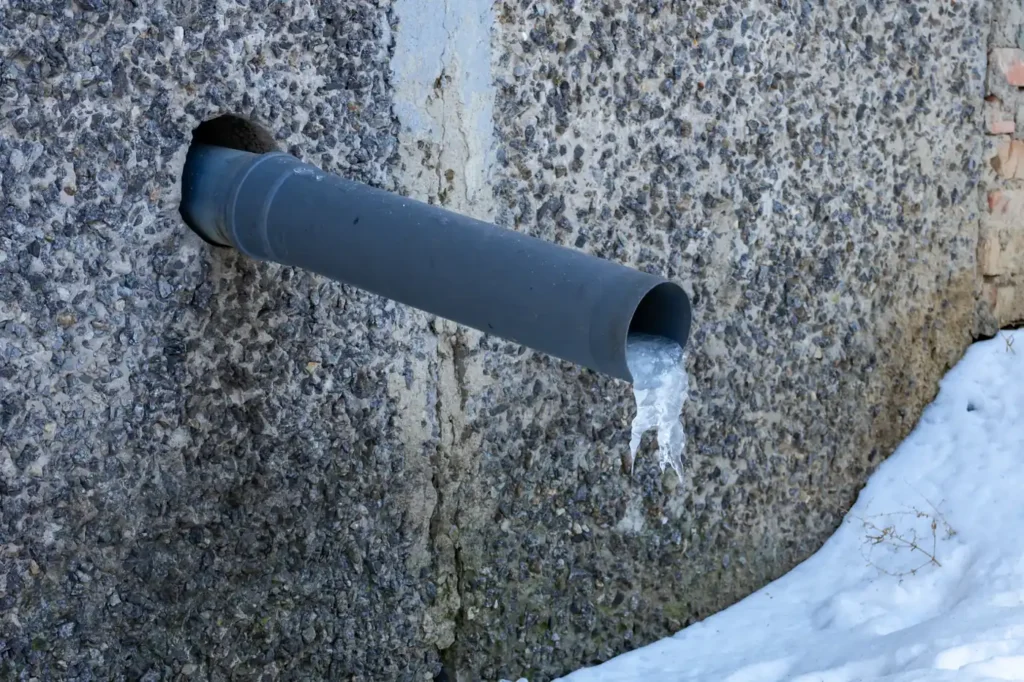
Flagstaff is Arizona’s outlier: a ponderosa-forest mountain city at 6,910 feet with over 200 freeze days a year, real snow load, and — since the Museum Fire (2019) and Pipeline Fire (2022) — engineered flood corridors running through town where burn-scar runoff now travels. The Rio de Flag threads through downtown, NAU fills thousands of rentals that empty every break, and second homes sit unheated between visits. Water damage here has a rhythm the low desert never sees.
How does water damage start in Flagstaff homes?
Winter is the headliner. Pipes in exterior walls, garages, crawl spaces, and cabins freeze during hard snaps; the split shows itself at the thaw, flooding while owners are elsewhere. NAU rentals empty for winter break during the coldest weeks of the year — a thermostat set to “off” instead of “55” is how a four-bedroom rental floods for ten days. On the roof, ice dams form when attic heat melts snow that refreezes at the cold eaves, ponding meltwater under shingles and into wall cavities — damage that looks like a mystery leak in February.
Summer belongs to the monsoon and the burn scars. The Museum Fire scar above Sunnyside sent repeated damaging floods down the Spruce Wash corridor in 2021, and the Pipeline Fire scar pushed flooding through Timberline and Doney Park — events that reshaped the city’s flood infrastructure and residents’ expectations. Neighborhoods along these corridors and the Rio de Flag see fast, ash-laden runoff from storms that would once have soaked into forest duff.
Flagstaff at a glance
| ZIP codes | 86001–86011 |
|---|---|
| Jurisdiction | City of Flagstaff · Coconino County |
| Elevation | 6,910 ft |
| Terrain | Ponderosa mountain city at 6,910 ft; burn scars north & east |
| Key drainage | Rio de Flag, Spruce Wash corridor, burn-scar channels |
| Housing stock | Historic downtown & Southside; NAU rentals; cabins & second homes; Doney Park acreage |
From Flagstaff we can also connect you for storm & flood cleanup, sewage backup cleanup, and Arizona restoration cost guidance.
What should you do in the first hour?
Stop the source & stay safe
Shut off the water at the fixture or the main (and the power, if it’s safe). Keep people clear of sagging ceilings, contaminated water, and anything electrical that got wet.
Document it
Photograph and video everything before cleanup begins — your insurance claim is built on what you capture in these first minutes.
Get a local crew moving
We connect you with a qualified, licensed Flagstaff-area restoration company — fast. The EPA’s 24–48 hour window to limit mold starts now, not when the adjuster calls back.
Water, fire or mold damage in Flagstaff?
Get connected with a qualified, licensed local restoration crew — 24/7 across Flagstaff and statewide Arizona.
What did the Museum and Pipeline Fires change about flooding here?
They redrew the map. High-severity burn scars on the San Francisco Peaks’ slopes shed water like pavement: storms that pre-fire produced a quiet rise in Spruce Wash instead sent debris-laden flood pulses into Sunnyside, Grapevine, and Paradise-area streets in 2021, and Pipeline Fire runoff hammered Timberline and Doney Park in 2022. The city and county responded with channels, basins, and massive mitigation investment — but burn scars take years to reheal, and every strong monsoon cell over the Peaks still moves water fast toward town. If you live along these corridors, sandbag season is real, and so is the difference between homeowners insurance and flood coverage; our Arizona flood insurance guide explains it.
Post-flood cleanup in Flagstaff is Category 3 work with a twist: ash- and sediment-laden water, plus a cool climate where saturated materials dry slowly indoors. Crews run extraction, controlled tear-out, antimicrobial treatment, and dehumidifier-heavy drying — and in winter losses, they’re also managing freezing temperatures around wet structures. The matched companies serving Flagstaff work both seasons and document moisture readings throughout for your carrier.
Mold deserves a mountain note: cool doesn’t mean safe. Heated interiors over wet materials grow mold year-round, and snowmelt intrusions in March behave exactly like monsoon intrusions in August once they’re inside your walls.
What restoration help is available in Flagstaff?
Emergency Water Removal
Standing water extracted same-day before it climbs walls and cabinets. 24/7 emergency dispatch to homes across Flagstaff.
Storm & Flood Cleanup
Monsoon and flash-flood water is contaminated Category 3 — proper cleanup means extraction, tear-out, disinfection, and verified drying.
Frozen & Burst Pipe Damage
Freeze-split lines and thaw floods handled fast — extraction, cavity drying, and documentation for your carrier, matched to a crew that works Flagstaff winters.
Sewage Backup Cleanup
Backed-up drains and failed laterals cleaned under containment with disinfection and safe disposal — keep people and pets clear until help arrives.
Structural Drying & Mold Control
Air movers, dehumidifiers, and daily moisture readings until the structure verifies dry — the step that keeps a Flagstaff water loss from becoming a mold loss.
Insurance Claim Help
What to photograph, when to notify, and how Arizona claims actually move — plus documentation from the crew your adjuster will want.
Flagstaff restoration FAQs
Which Flagstaff areas do you cover?
My rental sat empty over break and a pipe burst — now what?
What’s an ice dam and do I have one?
Are the burn-scar floods still a risk?
About this guide
This page is researched, written, and reviewed for local accuracy by the Tucson Restoration Pros team. It draws on primary and scientific sources — including the IICRC S500/S700 restoration standards, the U.S. EPA and CDC on mold, the WHO guidelines on dampness and mould, NWS Flagstaff forecasts and monsoon climatology, University of Arizona CLIMAS research, FEMA flood maps, and Coconino County Flood Control resources. See how we research. Tucson Restoration Pros is a referral service that connects Arizona homeowners with independent, qualified restoration companies; we are not a licensed restoration contractor and do not perform the work ourselves.
Connect with a Flagstaff restoration crew
Call now and we’ll connect you with a qualified, licensed local restoration company near you — 24/7.
📞 Call Now — (612) 886-9863Free, no obligation. We’re a referral service, not a contractor.