Mold Remediation in Tucson, AZ
Mold after a monsoon leak, a swamp cooler failure, or a slow plumbing drip does not need humidity to spread in Tucson’s dry climate. We connect you with a qualified local mold remediation crew, 24/7.
Quick answer: Mold remediation in Tucson means containment, HEPA air filtration, removal of contaminated material, and antimicrobial treatment — not just bleach and a fan. Tucson’s dry climate doesn’t stop mold that’s already trapped behind drywall or under flooring after a leak. We connect you with a qualified local mold remediation crew for inspection and remediation, 24/7.
Get connected to a Tucson restoration pro
Call now — we route your job to a qualified, licensed local crew.
📞 Call Now — (781) 882-7197Free to request. No obligation. We connect you with independent, qualified, licensed local restoration companies — we are a referral service, not a contractor.
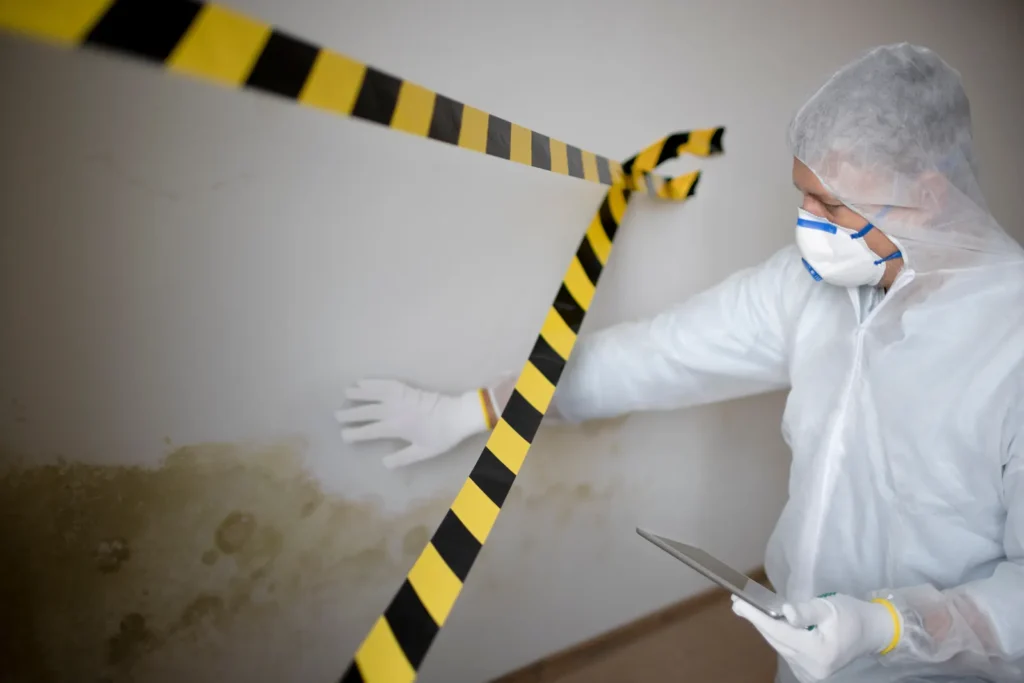
Tucson averages under 12 inches of rain a year and some of the lowest relative humidity of any major U.S. metro — which is exactly why so many homeowners here assume mold “can’t happen in the desert.” Mold doesn’t care about the humidity outside. It only needs a pocket of trapped moisture inside a wall, attic, or crawlspace, and Tucson’s housing stock creates that pocket more often than people expect — monsoon wind-driven rain behind stucco, a leaking swamp cooler pad, a slow slab leak under old copper plumbing, or an overflowing AC condensate line in July.
Why mold grows in one of the driest big cities in America
Mold needs three things: moisture, an organic food source (drywall paper, wood framing, dust, insulation backing), and time in a warm environment. Tucson supplies the warmth year-round and the organic material is built into nearly every home. The only variable is moisture — and that arrives here in short, intense bursts rather than steady humidity: a monsoon storm that drives rain sideways through a stucco crack, a swamp cooler reservoir that overflows onto a roof deck, or a slab leak that saturates carpet pad and baseboard for days before anyone notices the water bill spike.
Once that moisture is trapped — inside a wall cavity, under carpet, in attic insulation, or in the dead air space behind a shower surround — it doesn’t evaporate the way a wet driveway does outside. It sits, and mold can begin colonizing within 24 to 48 hours, per U.S. EPA guidance, regardless of how dry the outdoor air is that same week.
Tucson mold risk at a glance
| Common triggers | Monsoon roof/window leaks, swamp cooler leaks, slab leaks, AC condensate overflow |
|---|---|
| Peak season | June 15 – September, monsoon storm window |
| Highest-risk areas | Attics, crawlspaces, AC closets, exterior wall cavities behind stucco |
| Growth window | 24–48 hours after moisture exposure (EPA) |
| Response | 24/7 emergency dispatch |
This page covers mold remediation across the Tucson area. For monsoon-specific moisture intrusion, attic mold, and crawlspace mold, see the related guides below.
What mold remediation actually involves
A qualified crew doesn’t just wipe down visible spots — disturbing mold without containment can spread spores through the HVAC system and into rooms that were never affected. The general process independent local crews follow includes:
- Containment — sealing off the affected area with plastic sheeting and negative air pressure so spores don’t migrate to unaffected rooms during the work.
- HEPA air filtration — scrubbing airborne spores out of the contained zone throughout the job.
- Removal of affected porous material — drywall, insulation, and carpet that has colonized mold generally can’t be fully cleaned and is removed rather than treated in place.
- Antimicrobial treatment of the remaining structure to address surface spores that don’t require removal.
- Fixing the moisture source — remediation that doesn’t correct the leak, swamp cooler failure, or drainage problem that caused the growth is only a temporary fix.
- Post-remediation verification — some jobs include third-party clearance testing to confirm the area is back within normal fungal ranges before it’s closed back up.
This general approach follows the IICRC S520 mold remediation standard, the same body that publishes the S500 water restoration standard referenced elsewhere on this site.
What to do first if you find mold
Don’t disturb it, and ventilate carefully
Scrubbing or dry-brushing visible mold can aerosolize spores into the air you’re breathing and spread them to other rooms through open doors or a running HVAC system.
Photograph it and note the source
Photograph the affected area and, if you can identify it, the moisture source (a leak, a swamp cooler pad, a damp baseboard) before any cleanup begins — useful for both the remediation crew and any insurance claim.
Connect with a local licensed crew
We route your job to a qualified, licensed mold remediation company serving your part of Tucson — 24/7 dispatch, no obligation.
Found Mold in Your Tucson Home?
Call now and we’ll connect you with a qualified, licensed local mold remediation crew — 24/7 across Tucson & Southern Arizona.
Tucson mold remediation FAQs
Does Tucson’s dry climate mean mold isn’t a real risk?
How fast can mold start growing after a leak in Tucson?
Can mold grow in a swamp cooler?
Is mold damage covered by homeowners insurance in Arizona?
Do I need mold testing before remediation starts?
Can I clean small mold spots myself?
How long does mold remediation take?
See also our guide on mold after monsoon flooding in Tucson and our AC condensate overflow breakdown.
Related mold & moisture guides
About this guide
This page is researched, written, and reviewed for local accuracy by the Tucson Restoration Pros team. It draws on primary and scientific sources — including the IICRC S520 mold remediation standard, the U.S. EPA and CDC guidance on mold and moisture, the NWS Tucson monsoon data, and the Pima County Regional Flood Control District. See how we research. Tucson Restoration Pros is a referral service that connects Tucson homeowners with independent, qualified restoration companies; we are not a licensed restoration contractor and do not perform the work ourselves.
Connect with a Tucson restoration crew
Call now and we’ll connect you with a qualified, licensed local restoration company near you — 24/7.
📞 Call Now — (781) 882-7197Free, no obligation. We’re a referral service, not a contractor.
Leave a Reply