Monsoon Mold Damage in Tucson, AZ
A single hard monsoon storm can push water behind stucco or through a roof seam, and the wall can look dry again within days while mold keeps growing behind it. We connect you with a qualified local mold crew, 24/7.
Quick answer: Monsoon mold in Tucson develops when water pushed behind stucco or through a roof seam during a storm dries on the surface while staying wet inside the wall cavity — often for a week or more before it’s visible. If your home took on water this monsoon season, we connect you with a qualified local mold crew to check for it.
Get connected to a Tucson restoration pro
Call now — we route your job to a qualified, licensed local crew.
📞 Call Now — (781) 882-7197Free to request. No obligation. We connect you with independent, qualified, licensed local restoration companies — we are a referral service, not a contractor.
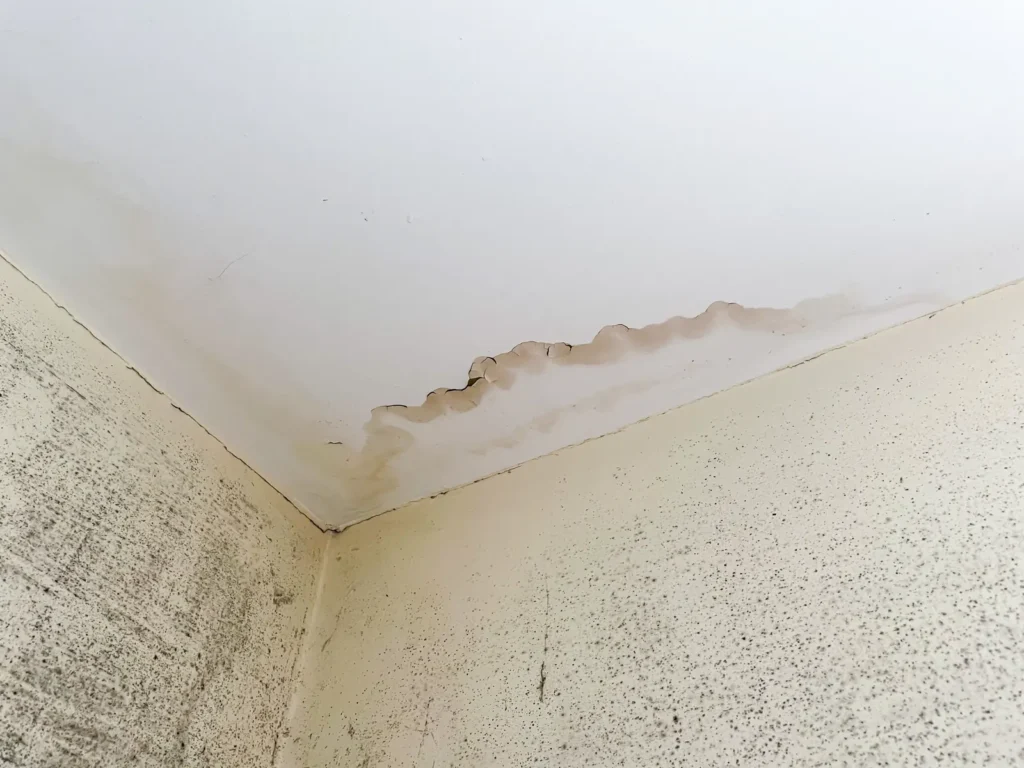
Every monsoon season, wind-driven rain finds its way through stucco cracks, parapet roof seams, and window flashing across Tucson — and every year, some of that water dries on the surface within days while the mold behind it keeps growing for weeks. Monsoon mold is different from a slow ongoing leak: it’s a short, intense moisture event that homeowners often assume resolved itself once the wall or ceiling feels dry again.
Why monsoon storms create a distinct mold pattern
A typical Tucson monsoon storm delivers a burst of wind-driven rain in under an hour, then clear skies and low humidity return for days. That pattern misleads people: the exterior stucco or roof looks dry almost immediately, so there’s no obvious reason to think anything is wrong. But water that got behind the stucco’s weather barrier, into a flat-roof parapet seam, or through window flashing during that one storm doesn’t evaporate at the same rate the exterior surface does — wall cavities and roof decks trap it, and it can take a week or more of hidden dampness to set mold growth in motion.
Homes with flat or low-slope parapet roofs and canale drainage — common in older central Tucson construction — are especially exposed, because a clogged canale or scupper drain lets water pond against the roof deck for hours during a hard storm instead of shedding immediately.
Monsoon mold at a glance
| Trigger events | Wind-driven rain intrusion, roof ponding, window/flashing leaks |
|---|---|
| Season | June 15 – September (official Tucson monsoon window) |
| Deceptive sign | Exterior surfaces dry within days; interior cavities stay wet longer |
| Growth window | 24–48 hours per EPA guidance once trapped |
| Response | 24/7 emergency dispatch |
This page focuses specifically on monsoon-driven moisture intrusion and mold. For the full mold remediation process, see our Tucson mold remediation pillar guide.
Where monsoon moisture gets trapped
- Behind stucco — wind-driven rain can push past hairline stucco cracks and control joints into the wall assembly behind the weather barrier, where it has no easy path to dry out.
- Flat parapet roofs and canales — ponding water from a clogged canale or scupper drain can work into the roof deck and ceiling below over the course of one storm.
- Window and door flashing — older or improperly sealed flashing lets water track down into the wall cavity below the frame, often showing up as a stain days later, not immediately.
- Swamp cooler roof penetrations — the roof jack and ductwork around an evaporative cooler is a common point of monsoon water entry into the attic.
What to do first after a monsoon leak
Don’t assume dry means safe
Check inside the affected wall or ceiling cavity if accessible, not just the visible surface, before assuming a monsoon leak is fully resolved.
Photograph the storm damage and any staining
Document water stains, ceiling discoloration, or musty odor as soon as you notice them — useful for both remediation scoping and any insurance claim tied to the storm.
Get a moisture check and connect with a local crew
We route your job to a qualified, licensed local crew that can check hidden moisture with meters, not just a visual look, and remediate any mold that’s already started.
Monsoon Leak Behind Your Walls or Roof?
Call now and we’ll connect you with a qualified, licensed local mold and moisture crew — 24/7.
Monsoon mold FAQs
Can a single monsoon storm really cause mold?
Why does the wall look dry if there’s still a mold problem?
Are flat-roof homes more exposed to monsoon mold?
How do I know if monsoon water got into my walls?
Is monsoon mold damage covered by homeowners insurance?
Related guides
About this guide
This page is researched, written, and reviewed for local accuracy by the Tucson Restoration Pros team, drawing on the IICRC S520 mold remediation standard, U.S. EPA mold guidance, the NWS Tucson monsoon program, and the Pima County Regional Flood Control District. See how we research. Tucson Restoration Pros is a referral service connecting Tucson homeowners with independent, qualified restoration companies; we are not a licensed restoration contractor and do not perform the work ourselves.
Connect with a Tucson restoration crew
Call now and we’ll connect you with a qualified, licensed local restoration company near you — 24/7.
📞 Call Now — (781) 882-7197Free, no obligation. We’re a referral service, not a contractor.
Leave a Reply