Mold Remediation in Vail, AZ
Rural well-and-septic acreage near Cienega Creek and newer Del Webb and Sycamore Canyon construction fail differently. Call now and get connected with a local mold remediation crew, 24/7.
Quick answer: Mold in Vail homes usually traces to a slow plumbing leak, monsoon moisture, or humidity around well and septic systems — not the desert air itself. If you can smell it or see staining, we’ll connect you with an independent licensed local mold remediation crew for assessment and containment.
Get Connected in Minutes
Call now and tell us code and we’ll connect you with a local, independent mold remediation company serving Vail.
📞 Call Now — (781) 882-7197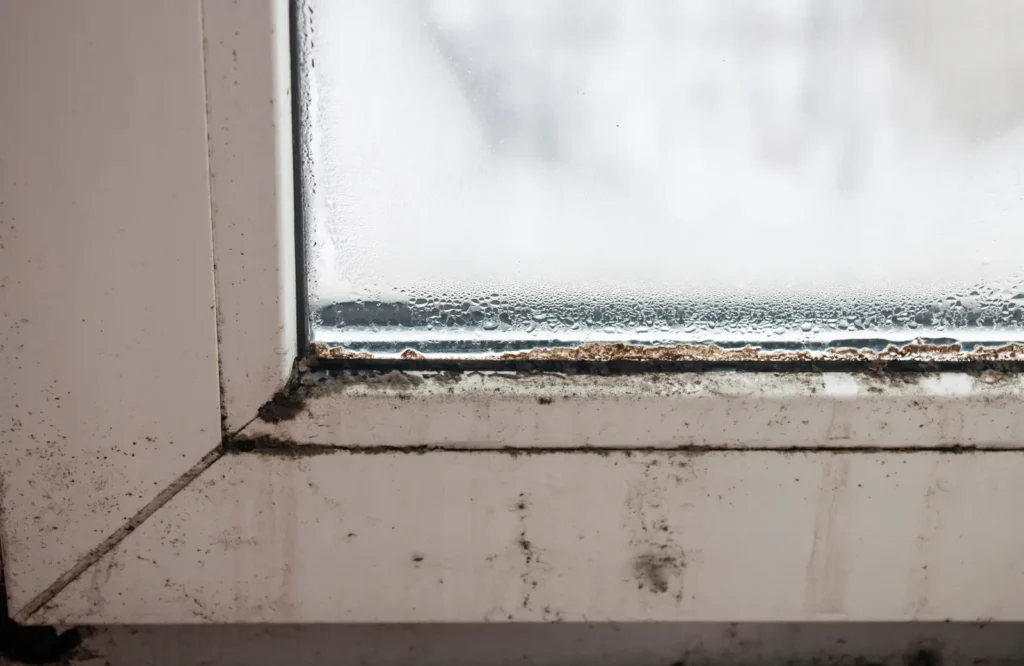
Why Does Mold Show Up in Vail Homes?
Vail is genuinely two different housing markets sharing one ZIP code. Out on the rural acreage that fills much of the Rincon Valley, homes run on private wells and septic systems rather than municipal utilities, and many sit near Cienega Creek and its associated wash network — a riparian corridor that holds humidity noticeably higher than the surrounding desert floor, especially after monsoon flow. Older ranch-style homes on these properties weren’t always built with modern vapor barriers, and a septic system that’s struggling can introduce excess soil moisture right at the foundation without ever producing an obvious sewage backup.
Inside newer master-planned development like Del Webb at Rancho Sahuarita-adjacent Vail communities and Sycamore Canyon, construction is tighter and moisture issues trace more often to plumbing or HVAC condensation — a failed water heater, a slab leak, or an undersized AC condensate line that overflows into a ceiling cavity during Tucson’s peak summer heat. Because these newer homes are well-sealed, a leak has fewer places to dry out, which can let mold establish faster in the affected area than it would in a leakier older structure.
Cienega Creek Humidity Meets Well/Septic Moisture
Rincon Valley’s wash network stays measurably more humid than the open desert for days after a strong monsoon storm, and rural properties near that corridor see slower moisture drawdown around crawlspaces and foundations as a result. Combine that with a septic system on older, less-maintained leach lines, and a rural Vail property can develop a persistent low-level moisture problem near the foundation that never registers as a single dramatic leak — just a steady dampness that eventually shows up as mold in a crawlspace or lower wall cavity.
Signs Worth a Closer Look in a Vail Home
- Persistent dampness or musty smell in a crawlspace on a rural well/septic property
- A septic system that’s been sluggish or backing up, even without an obvious sewage event
- Ceiling staining near an AC condensate line in a newer Del Webb or Sycamore Canyon home
- Discoloration inside a water heater closet or utility room
- Recurring allergy symptoms that ease when away from the property
- A past monsoon-season leak that was dried with fans but never professionally assessed
Not sure whether recent moisture or a slow septic issue is a mold risk? The free Mold Risk After Water Damage Checker gives a quick read before deciding on next steps.
This page focuses specifically on mold remediation in Vail. If you are dealing with active water intrusion right now rather than existing mold growth, see the Water Damage Restoration — Vail page, or review the Tucson Monsoon Season Data & Home Flood-Risk Reference for how storm patterns drive moisture risk across the region. For a citywide overview of mold remediation, see the Tucson mold remediation pillar page.
What Happens After You Get Connected
Call now and tell us & the concern
A quick form — no phone tag. Let us know if you’re on rural well/septic acreage or in a newer Vail-area subdivision.
Get matched locally
We connect you with an independent, licensed mold remediation company already working across the Vail and Rincon Valley area.
Assessment & remediation plan
The local crew assesses the source — crawlspace moisture, septic-adjacent dampness, or a mechanical leak — and scopes a remediation plan.
Persistent dampness in a crawlspace or utility room?
Call now and get connected with a local Vail mold remediation crew today.
What Homeowners Typically Encounter
A crawlspace or contained-area job tends to run less than a whole-cavity remediation involving drywall and flooring removal. Industry data generally places a standalone Tucson-area mold remediation project in the low-to-mid hundreds of dollars for small, contained work, scaling well beyond that for larger jobs. This reflects broader industry ranges, not a quote from Tucson Restoration Pros or any company we connect you with.
Leave a Reply