Free live match · ROC-licensed pros 📞 (866) 695-5058
Looking for fast water damage restoration, mold remediation, or emergency flood cleanup near me in Oro Valley, AZ (85737, 85755, 85742)? Properties near Oracle Road corridor, Rancho Vistoso, Honey Bee Canyon, and Steam Pump Ranch face unique Sonoran Desert moisture risks—including 1982–1995 gray polybutylene supply line bursts behind drywall, Cañada del Oro Wash monsoon sheet flooding, and seasonal vacant-home water heater or braided toilet line leaks. Tucson Restoration Pros provides free 24/7 live dispatch connecting Oro Valley homeowners with independent, Arizona ROC-licensed and IICRC S500/S520 certified restoration crews.
Need a Licensed Crew in Oro Valley, AZ (85737, 85755, 85742)?
Before you call — have ready: (1) Your 5-digit ZIP code, (2) What got wet or damaged, and (3) When it started.
Free live match · ROC-licensed pros 📞 (866) 695-5058
Mold Remediation in Oro Valley, AZ
A slow leak behind stucco or under a tile roof can grow mold for months before anyone notices. Call now and get connected with an independent local mold remediation crew serving Oro Valley, 24/7.
Quick answer: Oro Valley mold often traces to CDO Wash-side moisture creeping behind stucco or a slab leak wicking up through flooring. If you notice a musty smell or discoloration, we’ll match you with an independent licensed local mold remediation crew for moisture tracing and remediation.
Get Connected in Minutes
Call now and tell us code and we’ll connect you with a local, independent mold remediation company serving Oro Valley.
📞 Call Now — (866) 695-5058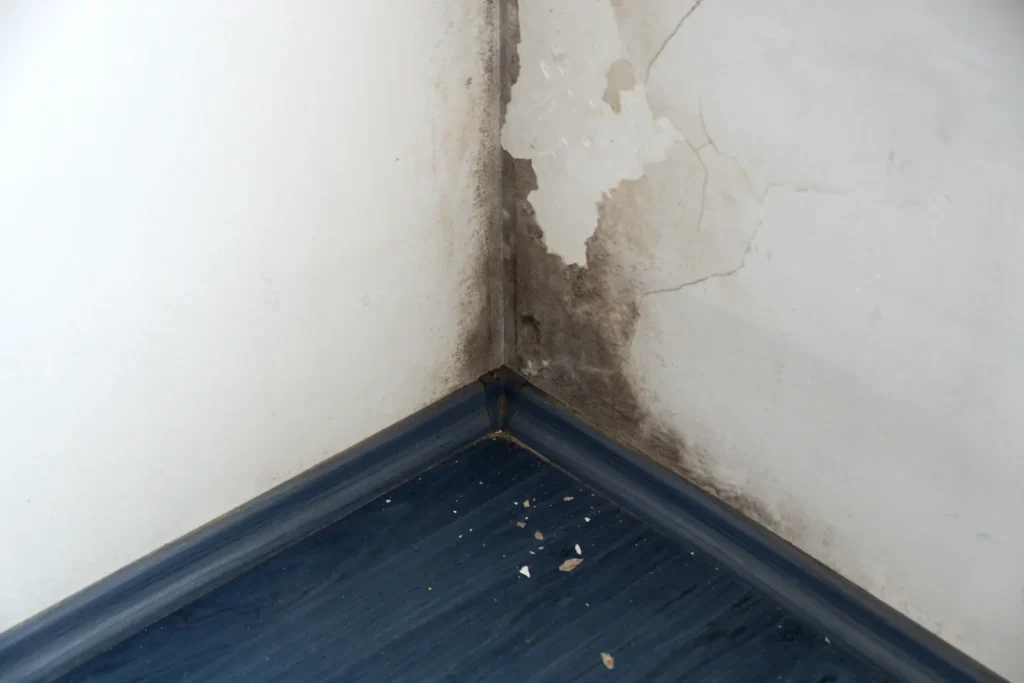
Why Does Mold Show Up in Oro Valley Homes?
Oro Valley’s housing stock skews newer than the Tucson core — most of it built from the 1990s forward across master-planned communities near the CDO (Cañada del Oro) Wash and Naranja Wash corridors, with stucco exteriors, tile roofs, and refrigerated air rather than swamp coolers. That combination changes where mold actually starts. In older, swamp-cooler-heavy parts of Tucson, ceiling-cavity condensation is the usual suspect. In Oro Valley, refrigerated air means growth almost always traces back to a plumbing failure instead — a slab leak, a water heater pan overflow, a supply line inside a wall, or roof flashing that lets wash-driven monsoon runoff track behind stucco at a parapet or window head.
The CDO Wash and Naranja Wash both run high during a strong monsoon cell, and homes built close to either corridor see elevated soil moisture for days after a storm even when the house itself never floods. That moisture works into stem walls and slab edges through caliche and decomposed granite soil that doesn’t drain the way clay-heavy soil does elsewhere, and it can sit there long enough to wick into drywall and baseboards without anyone ever seeing standing water.
Tile Roofs and Stucco Trap What You Can’t See
Tile roofing is common across Oro Valley’s newer subdivisions, and it’s genuinely durable against direct sun — but a cracked underlayment or a poorly flashed roof penetration can leak for a full monsoon season before a stain finally shows up on a ceiling below. Stucco behaves the same way on walls: hairline cracks let wind-driven rain in during a monsoon cell, and because stucco is a rigid, low-permeability material, moisture trapped behind it dries far more slowly than it would through a more porous cladding — giving mold a longer runway to establish itself in the wall cavity before symptoms ever reach the interior surface.
Signs Worth a Closer Look in an Oro Valley Home
- A musty smell in a room with no visible water damage, especially near an exterior stucco wall
- Ceiling staining under a tile roof valley or skylight, even faint or old-looking
- Peeling paint or bubbling drywall near a slab edge or baseboard
- Recurring allergy or sinus symptoms that improve when you leave the house
- Visible discoloration inside an HVAC closet or around a water heater pan
- A past monsoon-season leak that was “dried out” with fans but never professionally inspected
If you had a recent leak and aren’t sure whether it’s a mold risk, the free Mold Risk After Water Damage Checker gives you a quick read before deciding whether testing or remediation makes sense.
This page focuses specifically on mold remediation in Oro Valley. If you are dealing with active water intrusion right now rather than existing mold growth, see the Water Damage Restoration — Oro Valley page, or review the Tucson Monsoon Season Data & Home Flood-Risk Reference for how storm patterns drive moisture risk across the region. For a citywide overview of mold remediation, see the Tucson mold remediation pillar page.
What Happens After You Get Connected
Call now and tell us & the concern
A quick form — no phone tag, no hold music. Let us know whether it’s a smell, a stain, or a known leak in your Oro Valley home.
Get matched locally
We connect you with an independent, licensed mold remediation company already working in the Oro Valley area.
Assessment & remediation plan
The local crew assesses the affected area, contains it, and scopes a remediation plan — including whether testing or clearance sampling is warranted.
Found a stain but no obvious leak?
Call now and get connected with a local Oro Valley mold remediation crew today.
What Homeowners Typically Encounter
A contained, small-area remediation is generally the least involved project, while mold that’s spread through a wall cavity, attic decking, or HVAC ductwork scales up based on square footage and the materials affected. Industry data generally places a standalone Tucson-area mold remediation project in the low-to-mid hundreds of dollars for a small, contained job, climbing well beyond that for larger or hidden-cavity work that requires drywall removal and structural drying. This range reflects the broader restoration industry, not a quote from Tucson Restoration Pros or any company we connect you with — your local crew will scope your specific situation.
Frequently Asked Questions
Does Oro Valley get more mold than the rest of Tucson?
Why does mold show up weeks after a monsoon storm?
Is a musty smell without visible mold worth investigating in a newer home?
Do I need mold testing before remediation?
Does insurance typically cover mold from a hidden roof or slab leak?
Do you send a crew to my house?
What if the mold is inside a shared HVAC closet or return chase?
Local Housing Stock, Soil & Water-Damage Failure Modes in Oro Valley, AZ (85737, 85755, 85742)
Restoration scoping in Oro Valley (85737, 85755, 85742) requires local familiarity with properties around Oracle Road corridor, Rancho Vistoso, Honey Bee Canyon, and Steam Pump Ranch. Unlike national template guides, local IICRC-certified technicians inspecting Oro Valley homes evaluate three neighborhood-specific variables first:
- Local Architecture & Wall Assemblies: Oro Valley features master-planned stucco subdivisions in Rancho Vistoso, Sun City Oro Valley, and golf-course communities. Drying these materials to the IICRC S500 target moisture standard requires calibrated LGR dehumidifiers and penetrating moisture meters so moisture doesn’t remain trapped behind stucco, baseboards, or caliche-backed slabs.
- Primary Oro Valley Loss Drivers: Dispatch calls in ZIP codes 85737, 85755, 85742 most frequently involve 1982–1995 gray polybutylene supply line bursts behind drywall, Cañada del Oro Wash monsoon sheet flooding, and seasonal vacant-home water heater or braided toilet line leaks.
- The 24–48 Hour EPA Mold Clock in Pima County: Even when outdoor Sonoran Desert humidity drops below 15%, wet drywall cavities and subflooring inside air-conditioned Oro Valley homes maintain 80%+ relative humidity—allowing Aspergillus and Stachybotrys spores to colonize within 24 to 48 hours if professional water mitigation is delayed.
Need an on-site moisture inspection in Oro Valley (85737, 85755, 85742)? Call (866) 695-5058 24/7 for free live matching with an Arizona ROC-licensed restoration crew serving Oro Valley.
Frequently Asked Questions About Oro Valley, AZ Water & Mold Restoration
Does homeowners insurance cover water damage from a swamp cooler or pipe leak in Oro Valley, AZ?
Yes, standard Arizona HO-3 homeowners insurance policies typically cover sudden and accidental water damage in Oro Valley—including burst supply pipes, water heater ruptures, and sudden evaporative (swamp) cooler line breaks. You generally pay only your policy deductible ($500–$1,000) when professional IICRC S500 extraction starts within 24–48 hours.
How much does water damage restoration cost in Oro Valley, AZ (85737, 85755, 85742)?
In Oro Valley, AZ (85737, 85755, 85742), professional water mitigation and structural drying typically range from $1,200 to $3,800 for a single-room Category 1 clean-water leak, and $4,000 to $9,500+ for multi-room Category 2 or Category 3 sewage or monsoon flood losses built in Xactimate.
How fast does mold grow after a water leak in a Oro Valley home?
Per the U.S. EPA, mold can begin colonizing damp drywall, baseboards, and insulation within 24 to 48 hours of water exposure in a Oro Valley home. Because desert air dries only the surface while wall cavities stay humid, professional dehumidification and moisture mapping are essential.
How do I verify a restoration contractor's license in Oro Valley and Pima County?
Every restoration contractor performing structural work in Oro Valley and Pima County must hold an active license with the Arizona Registrar of Contractors (ROC). Before signing a work authorization, verify the company's license number online at roc.az.gov and confirm active general liability insurance.
Have an active leak or mold question in Oro Valley? Call (866) 695-5058 24/7 for a free live connection to a licensed local restoration specialist.
Protecting Oro Valley Stucco & Two-Story Homes From Hidden Moisture
Across Oro Valley—along the Oracle Road corridor from Magee Road north to Tangerine Road and Catalina State Park—modern master-planned subdivisions sit directly alongside Canada del Oro Wash, Big Wash, and Honey Bee Canyon. Most residential neighborhoods in 85737, 85755, 85742 feature master-planned stucco-over-frame residences on post-tensioned slabs with concrete tile roofs and two-story plumbing manifolds. While post-tensioned concrete slabs and exterior stucco assemblies handle desert heat well, their tight building envelopes also trap water inside insulated wall cavities whenever an interior plumbing line fails.
Local dispatch records in Oro Valley show that residential emergencies most frequently involve upstairs laundry braided-hose bursts, attic water heater pan overflows, and driving monsoon rain pushing beneath tile roof valleys. Once pressurized water enters a second-floor truss cavity or spreads beneath a continuous tile or luxury-vinyl floor, indoor relative humidity spikes past 75%, creating ideal conditions for hidden microbial amplification within 24 to 48 hours.
Insulated exterior stucco walls in Sun City Oro Valley and Copper Creek require FLIR infrared thermography to spot trapped cavity moisture. Our central water damage restoration in Tucson, AZ and mold remediation in Tucson, AZ teams deploy non-invasive pinless hygrometers and pressurized wall-cavity drying injectors tailored specifically for Oro Valley floor plans. Reach our live dispatch desk at (866) 695-5058.
Local Hydrological, Psychrometric & Restoration Benchmarks: Oro Valley, AZ
| Local Engineering / Restoration Factor | Oro Valley (85737, 85755, 85742) Field Specification |
|---|---|
| Primary Watershed & Wash Corridor | Canada del Oro Wash, Big Wash, and Honey Bee Canyon |
| Dominant Wall & Foundation Assembly | master-planned stucco-over-frame residences on post-tensioned slabs with concrete tile roofs and two-story plumbing manifolds over dense Sonoran caliche hardpan |
| Leading Local Water / Mold Triggers | upstairs laundry braided-hose bursts, attic water heater pan overflows, and driving monsoon rain pushing beneath tile roof valleys |
| Local Water Hardness & Pipe Scale Factor | 210–350 ppm CaCO₃ (12–20 gpg) — accelerates water heater tank & copper valve failure |
| IICRC S500 / S520 Target Dry Standard | < 16% Wood Moisture Equivalent (WME) & < 35 GPP indoor humidity within 24–48 hrs |
| Typical Pima County Xactimate Range | $1,400–$3,800 (Cat 1 Clean Extraction) | $3,500–$8,500+ (Cat 2/3 Flood, Sewage or Mold) — Call (866) 695-5058 |
How much does water damage restoration cost in Oro Valley, Tucson?
Professional water damage restoration in Oro Valley, AZ typically costs between $1,400 and $3,800 for Category 1 clean pipe or supply leaks, while Category 2 appliance overflows and Category 3 monsoon flood or sewage cleanups range from $3,500 to $8,500+. Most sudden water losses are covered by Arizona homeowners insurance minus your policy deductible.
Does insurance cover swamp cooler leaks in Oro Valley and Tucson?
Yes, standard Arizona HO-3 homeowners insurance policies generally cover sudden and accidental water damage from a ruptured rooftop swamp cooler supply line or float valve failure in Oro Valley, AZ. Policies exclude gradual rust neglect, so documenting the sudden overflow with immediate thermal moisture logs and Xactimate photos within 24 hours protects your claim.
How fast does mold grow after a water leak in Oro Valley, AZ?
Per U.S. EPA and IICRC S520 standards, mold spores begin colonizing damp drywall, baseboards, and insulation within 24 to 48 hours after a leak in Oro Valley, AZ. Because warm desert temperatures accelerate microbial amplification inside closed wall cavities, starting commercial LGR dehumidification on day one prevents costly mold demolition.
Core Tucson Water & Mold Hubs Serving Oro Valley
Every emergency dispatch in Oro Valley is routed through our two primary Pima County hubs: water damage restoration in Tucson, AZ (for 24/7 truck-mounted extraction and structural drying) and mold remediation in Tucson, AZ (for negative-air HEPA containment and spore removal).
For cause-specific guidance in Oro Valley, see our resources on swamp cooler leak Tucson ceiling recovery, polybutylene pipe leak water damage in Tucson, slab leak water damage in Tucson, and Tucson insurance carrier water damage claims, as well as neighboring crews for water damage restoration in Oro Valley and water damage restoration in Catalina Foothills.
Frequently Asked Questions: Mold Remediation in Oro Valley, AZ
Does homeowners insurance cover mold remediation from a swamp cooler or burst pipe in Oro Valley, AZ?
Most Arizona homeowners insurance policies cover sudden and accidental water damage in Oro Valley, AZ, including ruptured supply lines, water heater bursts, under-slab copper leaks, and sudden rooftop swamp cooler overflows. Gradual seepage or overland surface wash flooding typically requires separate flood coverage. Our technicians provide Xactimate estimates and infrared moisture photos directly to your adjuster.
What should I do in the first 30 minutes after discovering water damage in Oro Valley, AZ?
First, shut off your main residential water valve at the street meter or exterior hose bib to stop active flooding. Second, turn off circuit breakers serving wet rooms and elevate wood furniture onto foil pads. Third, call our 24/7 dispatch line at (866) 695-5058 with your Oro Valley, AZ address ready for immediate crew routing.
How fast can an emergency restoration crew arrive in Oro Valley, AZ?
Our live operator routes the nearest available IICRC-certified extraction truck in Oro Valley, AZ within minutes of your call. Typical on-site arrival near Canada del Oro Wash and surrounding Pima County neighborhoods is 45 to 60 minutes, 24 hours a day, including weekends, holidays, and severe summer monsoon thunderstorm surges.
How much does professional mold remediation cost in Tucson, AZ?
In Tucson, standard Category 1 clean-water extraction and structural drying typically ranges between $1,400 and $3,800 depending on affected square footage. Category 2 greywater or Category 3 sewage and monsoon silt remediation ranges from $3,500 to $8,500+. When covered by homeowners insurance, you generally pay only your standard policy deductible.
Why is the 24 to 48 hour drying window critical for homes in Oro Valley, AZ?
According to EPA and IICRC S500 guidelines, indoor mold spores begin colonizing damp drywall, baseboards, and adobe or wood framing within 24 to 48 hours. In Tucson's warm climate, hidden moisture trapped under tile or inside stucco walls rapidly triggers microbial growth and odors unless commercial LGR dehumidifiers extract it immediately.