Sewage Backup Cleanup in Green Valley, AZ
Decades-old sewer lines, root intrusion, and monsoon-season surcharge combine to make sewage backups a real risk in Green Valley. Call now and we’ll connect you with a local sewage cleanup crew, 24/7.
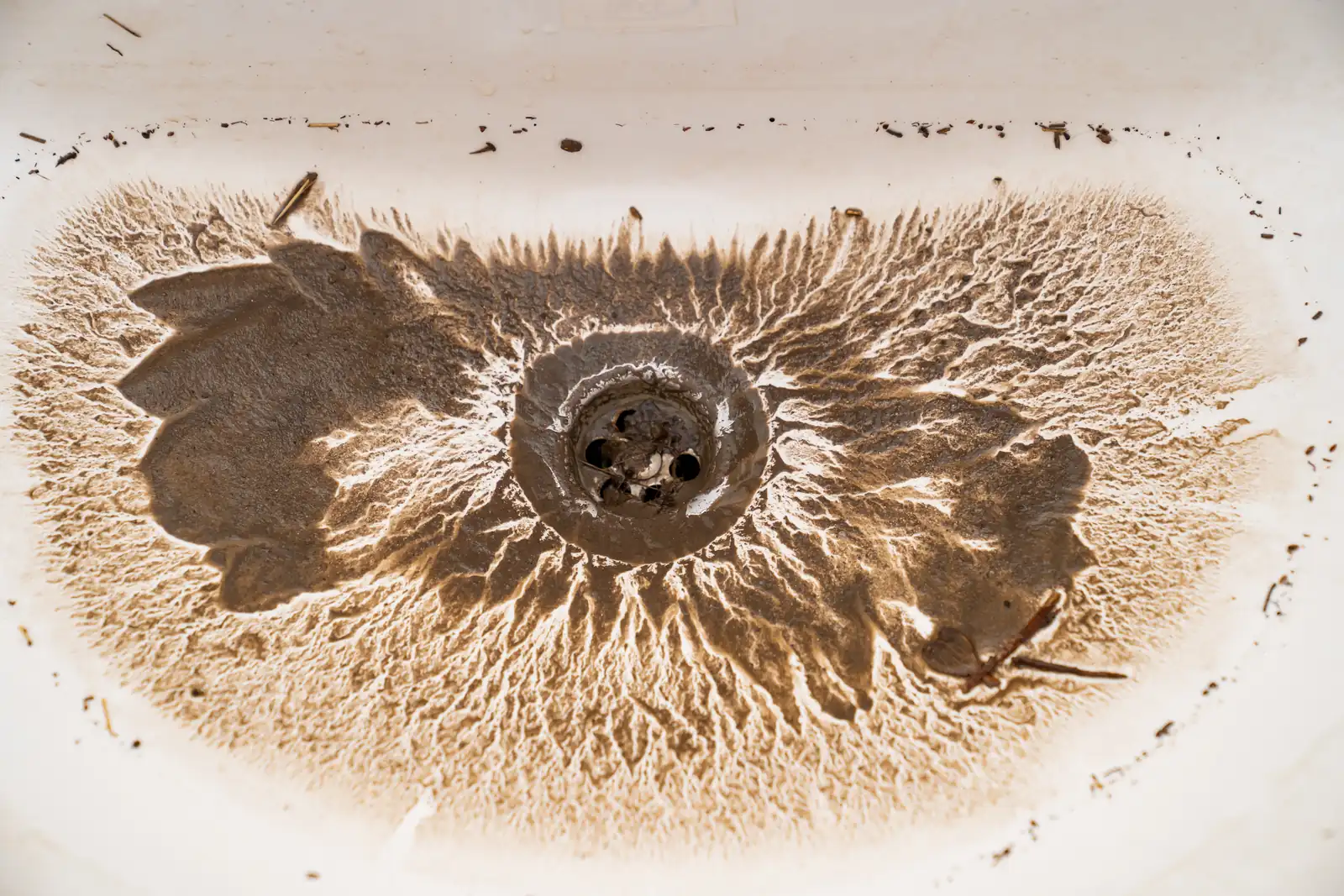
Quick answer: Green Valley sewage backups are usually root-intruded clay laterals or aging main lines pushing Category 3 water back through floor drains. Keep people and pets out of affected rooms and get connected with a qualified licensed local sewage cleanup crew, 24/7 — this is not a DIY job.
Get Connected in Minutes
Call now and tell us code and we’ll connect you with a local, independent sewage backup cleanup crew serving Green Valley.
📞 Call Now — (612) 886-9863No cost to use this service. We connect you — independent local companies perform the work.
Why Do Sewage Backups Happen in Green Valley?
Tucson Restoration Pros is a dispatch and referral service. We connect Green Valley homeowners with independent, licensed local sewage cleanup companies that carry their own insurance and perform the actual mitigation — we are not a contractor and do not do the work ourselves. Sewage backup, sometimes called black water or category 3 water intrusion, involves contaminated water and requires a different response than a clean-water leak — it is not a job for standard household cleanup.
Green Valley’s underground infrastructure dates back to the community’s founding as a retirement destination in the 1960s, and decades of mature landscaping means established tree roots have had a long time to find their way into aging clay or older PVC sewer laterals, cracking joints and creating blockages that back up toward the house rather than out toward the main line. Tucson’s monsoon season adds a second pressure point: heavy, fast storms can temporarily surcharge municipal sewer mains, and when a main line is running near capacity, backups are more likely to push into low-lying fixtures like floor drains, tub drains, and ground-floor toilets throughout the Green Valley area.
Why category 3 water needs a different response
Sewage backup carries bacteria, viruses, and other contaminants that clean water does not, which means affected porous materials — carpet, some subflooring, drywall below the waterline — often need to be removed and replaced rather than simply dried, and cleanup requires proper personal protective equipment and disinfection protocols that go beyond a standard water extraction job.
Signs of a Sewage Backup
- Water or waste backing up through a floor drain, tub, or ground-floor toilet
- A strong sewage odor in a bathroom, laundry room, or basement-level space
- Gurgling drains throughout the house, especially during or right after a heavy monsoon storm
- Multiple fixtures backing up at once, which often points to a main line blockage rather than an isolated fixture issue
- Visible standing water with a gray or brown tint and an unmistakable odor
What Happens After You Get Connected
Call now and tell us & the issue
A quick form — no phone tag, no hold music. Let us know which fixtures are affected and whether multiple drains backed up at once.
Get matched locally
We connect you with an independent, licensed sewage cleanup company already working in the Green Valley area, equipped for category 3 water response.
Extraction, disinfection & drying
The local crew extracts contaminated water, removes and disposes of unsalvageable materials, disinfects affected areas, and documents the loss for your insurance file.
Sewage backing up in your Green Valley home right now?
Category 3 water needs a fast, properly-equipped response. Call now and get connected with a local crew today.
Insurance, Mold Risk & What Homeowners Typically Encounter
Sewage backup coverage varies significantly by policy — some homeowners policies exclude backup from a municipal sewer main entirely unless a specific sewer backup rider was added, so reviewing your policy language (or asking the independent crew you’re connected with to help identify what documentation your insurer will want) matters early in the process. Because contaminated water sitting in a warm space can support mold growth within 24 to 48 hours — faster than a typical clean-water event — a quick response also reduces the risk of needing separate mold remediation on top of the sewage cleanup itself.
Costs for sewage backup cleanup vary based on the extent of contamination, how many fixtures and rooms are affected, and whether structural materials need to be removed and replaced rather than dried. Industry data generally places category 3 water cleanup toward the higher end of the water-damage cost spectrum given the disposal and disinfection requirements involved. This range reflects the broader restoration industry, not a quote from Tucson Restoration Pros or any company we connect you with — your local crew will assess your specific situation on-site.
Leave a Reply