Water Damage Restoration in Sedona
Sedona’s water problems move at two speeds: Oak Creek flash floods that arrive from storms nobody under the red rocks ever saw, and quiet leaks in short-term rentals that run for days between guest turnovers. We match you with a licensed local restoration pro, 24/7.
Get connected to a Sedona restoration pro
Call now — we route your request to a qualified, licensed local restoration company.
📞 Call Now — (612) 886-9863Free to request. No obligation. We connect you with independent, qualified, licensed local restoration companies — we are a referral service, not a contractor.
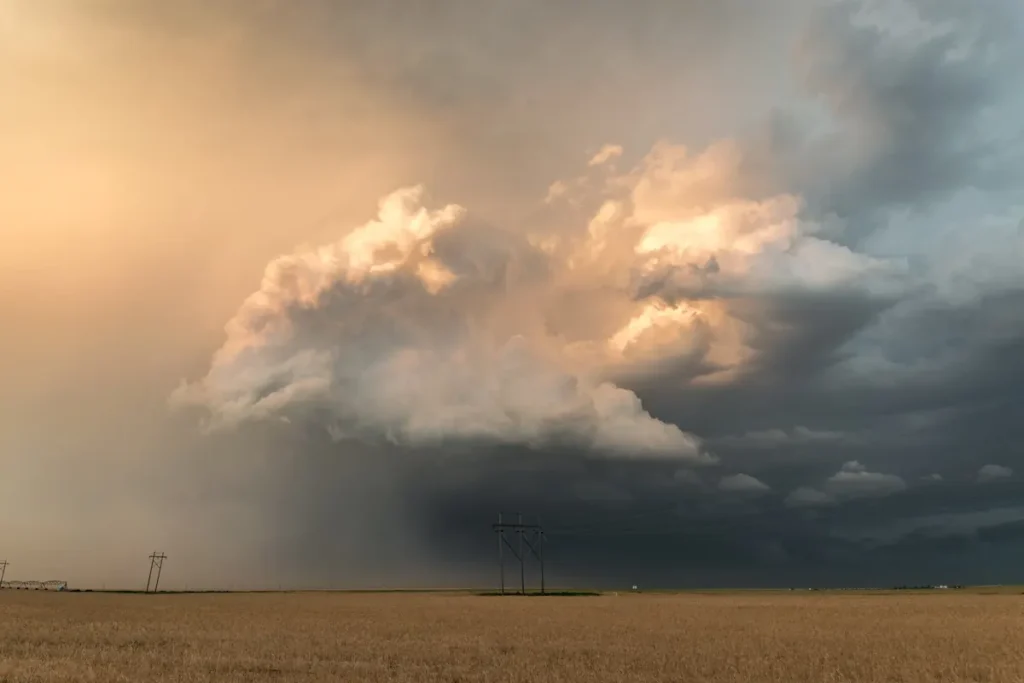
Oak Creek made Sedona and still runs the place — through the canyon, past Uptown’s creekside lodging, down to the Village of Oak Creek. It also delivers the town’s sharpest hazard: canyon flash floods driven by rain that fell miles upstream, arriving under blue local sky, with the 2014 Slide Fire burn scar in the canyon still accelerating runoff a decade on. Layer on Arizona’s densest short-term-rental market, pueblo-revival flat roofs that drain through a few small scuppers, and 1970s–90s copper now pinholing behind walls, and you get a water-damage profile unlike anywhere else in the state.
How does water damage start in Sedona homes?
Start with the creek. Oak Creek Canyon funnels storm water from the Colorado Plateau’s edge down a narrow rock corridor, so a cell parked over the switchbacks can raise the creek at Slide Rock and Indian Gardens in minutes — and creekside homes and lodging from the canyon mouth through Uptown sit closest to the rise. The Slide Fire’s burn scar still sheds water faster than the recovered forest around it, which keeps flash-flood behavior twitchier than the canyon’s pre-2014 baseline. Away from the creek, the red rock itself is the drainage: slickrock sheds nearly every drop onto the subdivisions below it, and the washes threading the Chapel and Little Horse areas concentrate that runoff through older streets.
The rental economy writes a quieter kind of claim. Sedona has one of the highest short-term-rental shares in Arizona, which means thousands of homes sit unoccupied between bookings. A failed supply line or water-heater tank in an empty STR runs until the cleaner or the next guest opens the door — and every day the house stays wet is also a day of cancelled bookings, so a Sedona water loss bleeds revenue on top of repair. Owners here need mitigation that starts same-day and dries on a schedule.
The building stock adds its own habits: pueblo-revival flat and low-slope roofs pond water against parapets when scuppers clog with juniper litter; 1970s–90s copper is reaching pinhole age behind walls and under slabs; and winter nights at 4,350 feet freeze exposed lines and hose bibs, with rain-on-snowmelt combos loading roofs and washes at once.
Sedona at a glance
| ZIP codes | 86336 (Village of Oak Creek 86351) |
|---|---|
| Jurisdiction | City of Sedona · Yavapai & Coconino Counties |
| Elevation | ~4,350 ft |
| Terrain | Red-rock canyon country along Oak Creek |
| Key drainage | Oak Creek & the Chapel-area washes |
| Housing stock | 1970s–90s custom & pueblo-revival homes; creekside lodging; heavy short-term-rental share |
From Sedona we can also connect you for storm & flood cleanup, sewage backup cleanup, and Arizona restoration cost guidance.
What should you do in the first hour?
Stop the source & stay safe
Shut off the water at the fixture or the main (and the power, if it’s safe). Keep people clear of sagging ceilings, contaminated water, and anything electrical that got wet.
Document it
Photograph and video everything before cleanup begins — your insurance claim is built on what you capture in these first minutes.
Get a local crew moving
We connect you with a qualified, licensed Sedona-area restoration company — fast. The EPA’s 24–48 hour window to limit mold starts now, not when the adjuster calls back.
Water, fire or mold damage in Sedona?
Get connected with a qualified, licensed local restoration crew — 24/7 across Sedona and statewide Arizona.
Why does a Sedona water loss cost an owner twice?
Because the house is often the business. When a pinholed copper line soaks a rental’s hallway, the owner takes the repair and every cancelled booking behind it — high-season weeks that don’t come back. That changes the mitigation math: same-day extraction, aggressive drying, and verified moisture readings aren’t perfectionism, they’re how the calendar reopens. It also changes prevention: leak sensors, an auto-shutoff on the main, and a checkout routine that includes glancing under sinks cost little against a single lost week. Crews that work Sedona understand the turn-around pressure; tell them the next check-in date up front and they’ll sequence the dry-out around it.
The creek plays by harsher rules. Water that has run through Oak Creek’s channel is Category 3 — sediment-laden, debris-charged, and contaminated — so a flooded creekside great room means controlled tear-out, disinfection, and documented drying, not carpet fans. Two policy facts matter before the monsoon: homeowners insurance excludes rising surface water, and canyon properties may not learn a flood is coming until it arrives, because the rain fell twenty minutes upstream. If you own anywhere near the creek — canyon, Uptown, or along the drainages to the Village of Oak Creek — read our Arizona flood insurance guide and treat NWS canyon warnings as literal.
Flat roofs deserve a standing appointment. Pueblo-revival parapets drain through scuppers and canales that juniper needles and monsoon debris clog easily; a blocked scupper turns a roof into a pond, and ponded water finds every seam in an aging foam or built-up membrane. The interior signature — a ceiling stain radiating from an exterior wall — often appears days after the storm that caused it. Clear scuppers before July, after every big cell, and again before snow, because rain-on-snowmelt is Sedona’s sneakiest roof load.
And the pipes themselves: if your home dates to the 1970s–90s and you’ve had one pinhole, you’re on notice — pinholes arrive in families as the same-era copper corrodes at the same rate. A moisture check behind the repair, and a hard conversation about repiping, saves the third and fourth openings of the same wall.
What restoration help is available in Sedona?
Emergency Water Removal
Standing water extracted same-day — from West Sedona homes or a rental on turnover deadline. 24/7 dispatch across the red rock country.
Storm & Flood Cleanup
Oak Creek flood water is debris-charged Category 3 — proper cleanup means extraction, controlled tear-out, disinfection, and verified drying.
Frozen & Burst Pipe Damage
High-desert freeze nights split exposed lines and hose bibs — thaw floods handled with extraction, cavity drying, and carrier-ready documentation.
Sewage Backup Cleanup
Backups cleaned under containment with disinfection and safe disposal — essential in rentals where guests arrive within days.
Structural Drying & Mold Control
Air movers, dehumidifiers, and daily logged readings until the structure verifies dry — the step that protects both the home and the booking calendar.
Insurance Claim Help
What to photograph, when to notify, and how Arizona claims move — including the wrinkles rental owners hit with loss-of-use and business income.
Sedona restoration FAQs
Which Sedona areas do you cover?
Our short-term rental flooded between guests — how fast can drying finish?
How much warning do we get before Oak Creek floods?
Why does my flat roof leak days after a storm?
About this guide
This page is researched, written, and reviewed for local accuracy by the Tucson Restoration Pros team. It draws on primary and scientific sources — including the IICRC S500/S700 restoration standards, the U.S. EPA and CDC on mold, the WHO guidelines on dampness and mould, NWS Flagstaff forecasts and monsoon climatology, University of Arizona CLIMAS research, FEMA flood maps, and Yavapai County Flood Control District resources. See how we research. Tucson Restoration Pros is a referral service that connects Arizona homeowners with independent, qualified restoration companies; we are not a licensed restoration contractor and do not perform the work ourselves.
Arizona cities we serve
Connect with a Sedona restoration crew
Call now and we’ll connect you with a qualified, licensed local restoration company near you — 24/7.
📞 Call Now — (612) 886-9863Free, no obligation. We’re a referral service, not a contractor.