Sewage Backup Cleanup in Corona de Tucson, AZ
Most Corona de Tucson homes run on private septic, not a municipal sewer main — which means a backup here is almost always a septic system failure, not a city sewer surcharge. Call now and get connected with a local crew, 24/7.
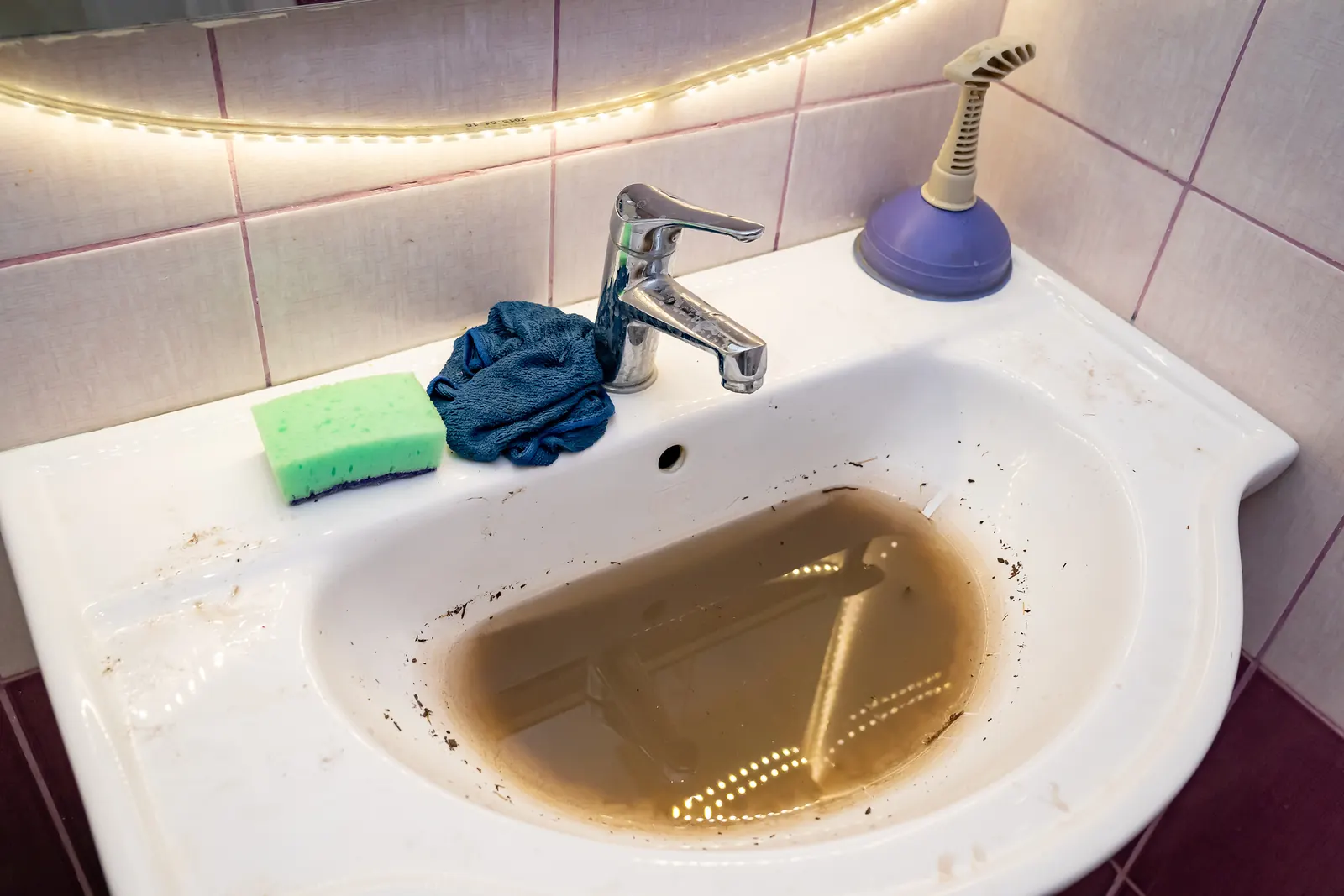
Quick answer: Most Corona de Tucson backups start at the septic tank — a full or failed tank pushes Category 3 water back into the lowest fixtures. Stop running water, keep people and pets away, and we’ll connect you with a licensed local sewage cleanup crew experienced with septic properties, 24/7.
Get Connected in Minutes
Call now and tell us code and we’ll connect you with a local, independent sewage backup cleanup crew serving Corona de Tucson.
📞 Call Now — (612) 886-9863No cost to use this service. We connect you — independent local companies perform the work.
Why Do Sewage Backups Happen in Corona de Tucson?
Tucson Restoration Pros is a dispatch and referral service. We connect Corona de Tucson homeowners with independent, licensed local sewage and septic cleanup companies that carry their own insurance and perform the actual mitigation — we are not a contractor and do not do the work ourselves. Corona de Tucson sits well outside Pima County’s municipal sewer service area, and nearly every home in the community runs on a private septic system rather than a connection to a public sewer main. That single fact makes the local backup story fundamentally different from Tucson core, Oro Valley, or Marana, where backups are usually a municipal main surcharge issue.
A septic system relies on a functioning drain field to disperse treated wastewater into the surrounding soil, and when that field becomes saturated, clogged, or the tank itself reaches capacity, wastewater has nowhere to go but back up through the household plumbing — typically showing up first at the lowest drains in the house. Tucson’s monsoon season is a real aggravating factor here: heavy rain raises soil saturation across the Rincon Valley wash network surrounding Corona de Tucson, and a drain field that handles normal flow just fine in a dry month can become overwhelmed after a hard July or August storm, pushing a backup at exactly the time a homeowner is also dealing with flooding elsewhere on the property.
Septic Failure, Not a City Sewer Problem
Because there is no municipal main to blame, a Corona de Tucson backup almost always traces back to one of three things: a full or poorly maintained septic tank that hasn’t been pumped on schedule, a saturated or failing drain field, or a blocked lateral line between the house and the tank. That distinction matters for the homeowner because the fix isn’t a call to the city — it’s coordinating both a septic system diagnosis and a category 3 water cleanup, which is exactly what a crew unfamiliar with rural septic properties can miss.
Signs of a Septic-Related Sewage Backup
- Water or waste backing up through the lowest drain, floor drain, or tub in the house
- A strong sewage odor near the septic tank, drain field, or lowest-level bathroom
- Slow drains throughout the house, especially worsening after a heavy monsoon storm
- A soggy, unusually green, or foul-smelling patch of yard over the drain field
- Gurgling from multiple fixtures at once when the tank is running near capacity
- Visible standing water with a gray or brown tint and an unmistakable odor
What Happens After You Get Connected
Call now and tell us & the issue
A quick form — no phone tag. Let us know which fixtures backed up and whether you’ve noticed anything unusual near the septic tank or drain field.
Get matched locally
We connect you with an independent, licensed sewage cleanup company already working across Corona de Tucson, familiar with septic-dependent properties.
Extraction, disinfection & drying
The local crew extracts contaminated water, disinfects affected areas, and documents the loss for your insurance file, coordinating with a septic technician as needed.
Sewage backing up in your Corona de Tucson home right now?
Category 3 water needs a fast, properly-equipped response. Call now and get connected with a local crew today.
Insurance, Mold Risk & What Homeowners Typically Encounter
Septic-related backup coverage varies significantly by policy — some homeowners policies treat a septic system failure differently than a municipal sewer backup, and a septic system that failed from lack of maintenance may be treated differently than one overwhelmed by an unusually severe monsoon storm, so reviewing your policy language early matters. Because contaminated water sitting in a warm space can support mold growth within 24 to 48 hours, a quick response also reduces the risk of needing separate mold remediation on top of the sewage cleanup itself — see the Does Insurance Cover Mold Damage in Tucson? FAQ for that distinction.
Costs for septic-related sewage backup cleanup vary based on the extent of contamination, how many fixtures are affected, and whether a separate septic repair or drain field service is also needed. Industry data generally places category 3 water cleanup toward the higher end of the water-damage cost spectrum given the disposal and disinfection requirements involved. This range reflects the broader restoration industry, not a quote from Tucson Restoration Pros or any company we connect you with. If you’re dealing with active flooding rather than a backup, see Water Damage Restoration — Corona de Tucson, or review the Does Insurance Cover Sewage Backup? FAQ.
Leave a Reply