Mold Remediation in Corona de Tucson, AZ
Attic HVAC condensation and monsoon-saturated septic drain fields — not swamp coolers — are the real mold risks in this newer, well-and-septic far-southeast community. Call now and get connected with a local crew, 24/7.
Quick answer: Corona de Tucson mold often starts around septic drain fields, attic condensation, or monsoon-wetted stucco. If you’ve found staining or a persistent musty odor, we’ll match you with an independent licensed local mold remediation crew for assessment and containment.
Get Connected in Minutes
Call now and tell us code and we’ll connect you with a local, independent mold remediation company serving Corona de Tucson.
📞 Call Now — (781) 882-7197No cost to use this service. We connect you — independent local companies perform the work.
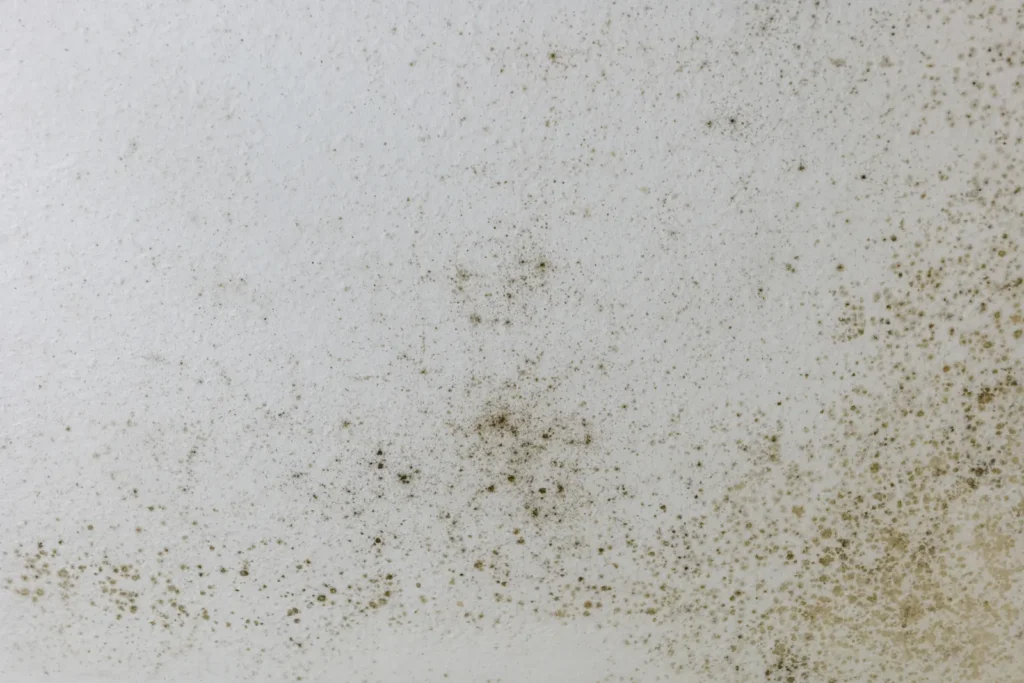
Why Does Mold Show Up in Corona de Tucson Homes?
Corona de Tucson sits in the far southeast corner of the metro area, a fast-growing unincorporated community off State Route 83 built almost entirely since the early 2000s on private wells and septic systems rather than Tucson Water and Pima County sewer service. That single infrastructure fact changes the local mold story: instead of the swamp-cooler-driven ceiling leaks common in Tucson’s older core neighborhoods, most Corona de Tucson homes run refrigerated air, and the two moisture risks that actually matter here are attic HVAC condensation and septic drain field saturation.
Newer stucco-and-block construction pushes return ductwork and HVAC air handlers into attic spaces that see extreme heat cycling — summer attic temperatures well above 130°F followed by rapid nighttime cooling — and a poorly sealed return duct or an undersized condensate line can sweat and drip onto insulation and drywall for months before anyone notices a stain. Second, homes on private septic depend on a functioning drain field to disperse wastewater into the soil, and Corona de Tucson’s proximity to the Rincon Valley wash network means soil saturation shifts noticeably during Tucson’s monsoon season — a drain field that’s borderline saturated in a dry June can surface-pool or back up after a heavy July storm, pushing moisture toward crawlspaces and foundation edges that a municipal-sewer home elsewhere in Tucson never has to deal with.
New Construction, Two Distinct Failure Points
What makes Corona de Tucson different from the rest of the Tucson map is that both of these failure points trace back to infrastructure choices unique to newer, unincorporated communities — not the legacy swamp cooler story that dominates mold conversations in older neighborhoods like Casas Adobes or Sahuarita’s historic core. A homeowner smelling something musty near an attic access hatch is far more likely dealing with a condensation issue on modern ductwork than an old evaporative cooler pad, and a slow-draining shower paired with a soggy patch of yard points toward the septic system, not a sewer lateral.
Signs Worth a Closer Look in a Corona de Tucson Home
- Musty smell near an attic access hatch or HVAC closet with no obvious past leak
- Staining on drywall or insulation directly below attic ductwork or the air handler
- A soggy or unusually green patch of yard over or near the septic drain field, especially after monsoon rain
- Slow drains throughout the house that worsen during or right after a heavy storm
- Visible condensation or rust on attic ductwork during a summer attic inspection
- Recurring allergy or respiratory symptoms that ease when away from the home
Not sure whether an attic condensation issue or a septic problem is a mold risk? The free Mold Risk After Water Damage Checker gives a quick read before deciding on next steps. This page focuses specifically on mold remediation in Corona de Tucson. If you’re dealing with active water intrusion right now rather than existing mold growth, see Water Damage Restoration — Corona de Tucson, or check whether your policy covers mold at all on the Does Insurance Cover Mold Damage in Tucson? FAQ. For a citywide overview, see the Tucson mold remediation pillar page.
What Happens After You Get Connected
Call now and tell us & the concern
A quick form — no phone tag. Let us know whether you’re seeing an attic smell or a soggy patch near your septic system.
Get matched locally
We connect you with an independent, licensed mold remediation company already working across the Corona de Tucson area.
Assessment & remediation plan
The local crew determines whether the source is attic HVAC condensation, septic drain field saturation, or both, then scopes a remediation plan.
Musty attic or a soggy patch near your septic drain field?
Call now and get connected with a local Corona de Tucson mold remediation crew today.
What Homeowners Typically Encounter
An attic condensation job addressing insulation and a section of drywall generally costs less than a job involving septic-related crawlspace or foundation moisture, which may also require a septic technician’s involvement separate from the mold remediation itself. Industry data generally places a standalone Tucson-area mold remediation project in the low-to-mid hundreds of dollars for small, contained work, scaling up for larger or septic-linked jobs. This reflects broader industry ranges, not a quote from Tucson Restoration Pros or any company we connect you with.
Leave a Reply