Musty Smell but No Visible Mold in Your Tucson Home?
Quick answer: A persistent musty smell with no visible mold almost always means hidden mold — growth inside a wall cavity, under flooring, in the swamp cooler or AC system, or behind a cabinet where a slow leak feeds it. In Tucson this signal matters more than in humid cities: desert air is normally too dry for that odor to exist at all, so if your house smells musty during or after monsoon season, something inside the structure is wet. Track the smell to its strongest point, look for a moisture source, and if nothing surfaces, a proper inspection with moisture readings will find what your eyes cannot. The licensed local restoration pro you’re matched with can run that inspection and, if growth is confirmed, scope the remediation.
Tucson houses are not supposed to smell like a lake cabin. When one does — that earthy, damp, old-books odor that gets stronger in one room and fades when the windows are open — the smell itself is evidence. Mold produces that odor as it digests wet material, and it does not need to be visible to be active. Here is how to read a musty smell in a desert home, where hidden growth actually hides, and how to decide between watching, testing, and opening up a wall.
Why does a musty smell matter more in the desert?
Because the baseline is so dry. For most of the year Tucson’s indoor humidity sits far below what mold needs, which is why desert homes can go decades without a mold problem. Mold requires sustained moisture — the Arizona Department of Health Services’ mold fact sheet puts it plainly: mold grows where there is water damage, high humidity, or dampness, and the fix always runs through eliminating that moisture source. So when a musty odor shows up in a Tucson home, it is telling you two things at once: there is active fungal growth somewhere, and there is a water source keeping it alive — a leak, a seep, or trapped monsoon humidity that never dried out.
Mid-August is exactly when this happens. Monsoon dew points push indoor humidity up, storm-driven water finds its way into places it has never been, and evaporative coolers add moisture to the airstream all day. A smell that appears in July or August and lingers into September is following that script.
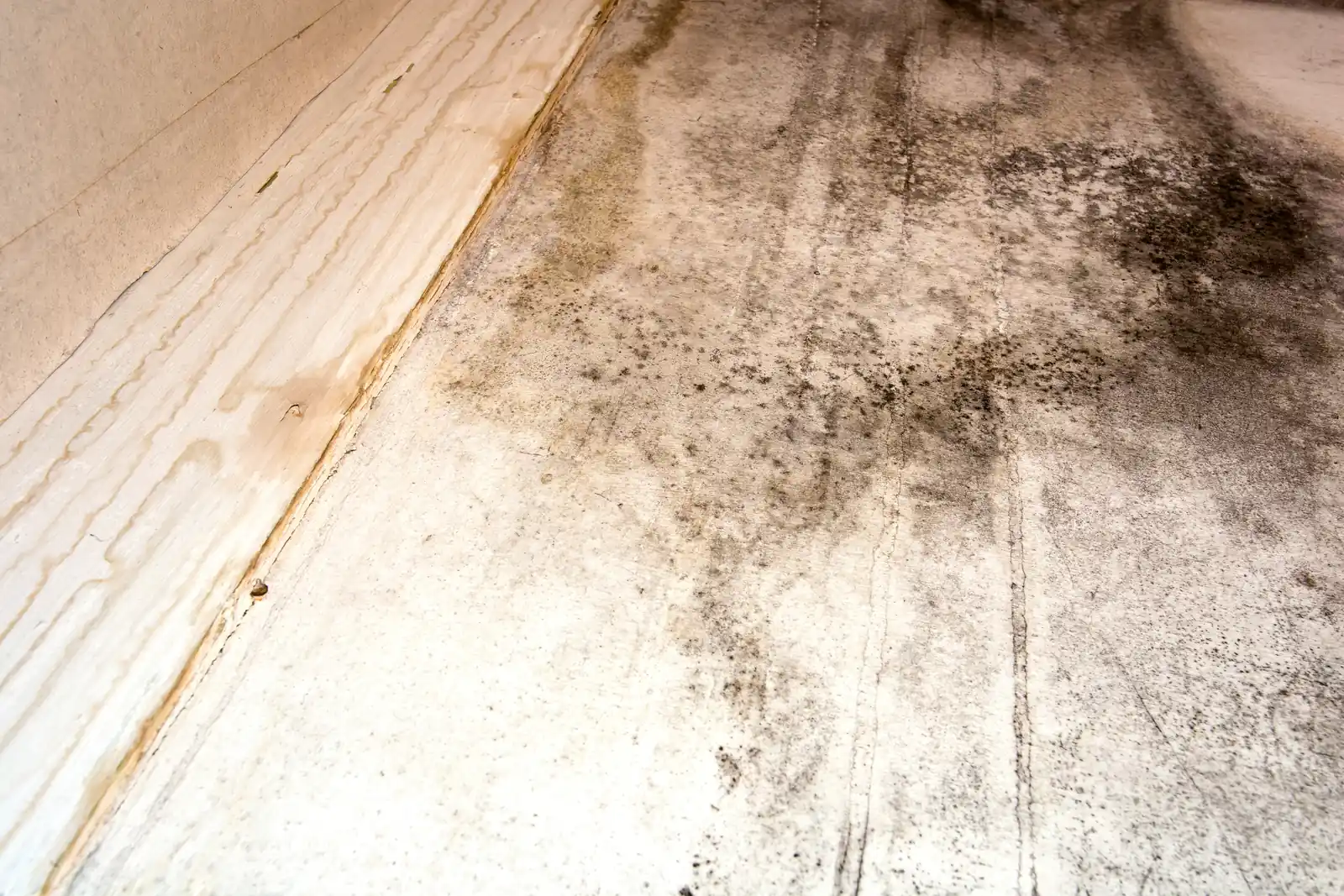
Where does hidden mold hide in Tucson homes?
- Inside wall cavities. Wind-driven monsoon rain that gets past stucco cracks or window flashing wets the back of the drywall — the side you cannot see. The paper facing on drywall is a preferred mold food.
- Under flooring. A slab leak or a slow appliance drip wicks up under vinyl, laminate, or wood. The surface looks fine; the underside is a farm.
- In the cooling system. Swamp cooler pads, ducts, and drip-prone AC air handlers and condensate pans combine moisture with dust — and the system then distributes the odor to every room, which is why a whole-house musty smell so often traces to the mechanicals.
- Behind and under cabinets. Sink supply lines, dishwasher connections, and fridge ice-maker lines fail slowly. A cabinet toe-kick can hide a wet spot for months.
- In closets on exterior walls. Poor air circulation plus a slightly damp wall equals the classic single-closet musty smell.
How do you track the smell to its source?
- Map it by intensity. Close the windows, leave the house for an hour, and walk back in. First impressions are the most sensitive; note where the odor hits hardest.
- Time it. Stronger when the AC or cooler runs points at the system or ducts. Stronger in one room regardless points at that room’s walls, floor, or plumbing.
- Look for the water, not the mold. Check under sinks, around the water heater, at ceiling corners below roof penetrations, and along walls that face the prevailing monsoon storms. Staining, bubbling paint, warped baseboards, or a floor that feels cool and damp all mark the trail.
- Check the meter. A single high water-bill month can reveal the slab or supply-line leak feeding everything.
Should you test for mold, or open the wall?
Neither, first. The productive middle step is a moisture-focused inspection: infrared scanning and pin-meter readings can confirm a wet wall or floor without demolition, and locating moisture is more actionable than any air sample alone. Where sampling earns its keep is when a persistent odor has no findable source, when someone in the house has symptoms that improve away from home, or when you need documentation for an insurance claim or a real-estate transaction. That combined moisture-plus-sampling workup is what mold testing and inspection in Tucson covers, and it is the step that turns “the house smells weird” into a located, measured problem.
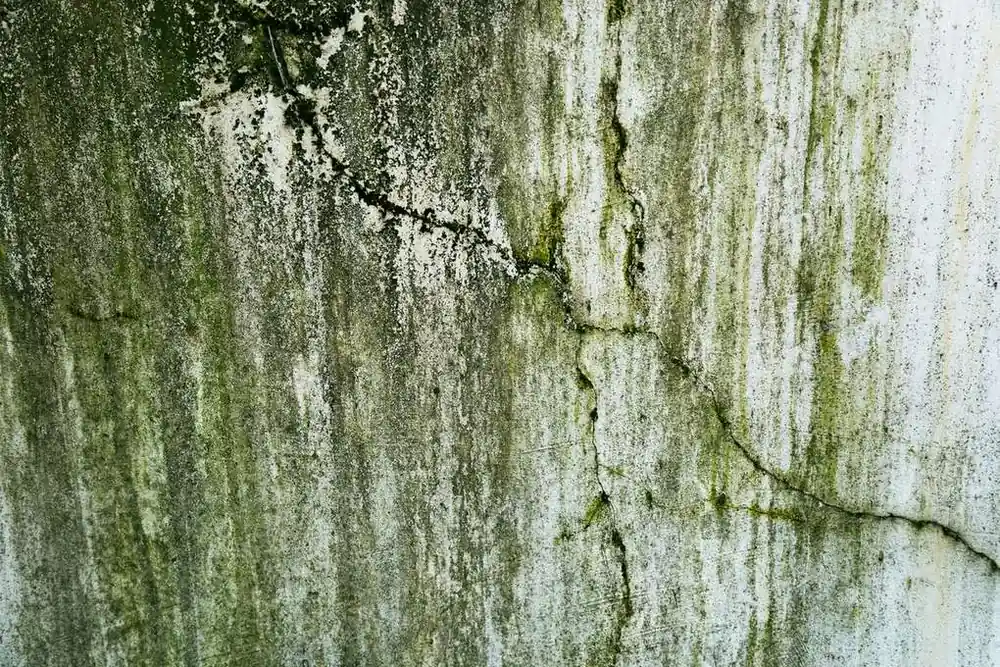
What happens if hidden mold is confirmed?
Two things, in a fixed order: the moisture source gets repaired, and then the growth gets removed — containment, removal of colonized materials, drying, and post-work verification. Skipping the first step is why mold “comes back”: the AZDHS guidance is blunt that cleanup without fixing the water problem is temporary. For anything beyond a small, surface-level patch — and hidden-in-the-wall growth is by definition beyond it — professional mold remediation in Tucson is the right scope, and the licensed local pro you’re matched with can sequence the leak repair, containment, and clearance so the odor leaves and stays gone.
Frequently asked questions
Can a musty smell exist without any mold at all?
Occasionally — wet dust in ductwork, an old evaporative cooler pad, or a dried-out drain trap can mimic it. But in a desert climate the honest default assumption for a persistent musty odor is concealed microbial growth until moisture readings say otherwise.
Why is the smell stronger during monsoon season?
Higher humidity feeds growth and also makes odors more perceptible. Many hidden colonies are dormant most of the year and reactivate when July and August moisture arrives — the smell returning each summer is a classic hidden-mold pattern.
Will air purifiers or scented sprays fix it?
No. Filtration can reduce airborne spores and fragrance can mask odor, but the colony keeps digesting wet material until the moisture is stopped and the growth is removed.
Is hidden mold dangerous?
Reactions vary by person — AZDHS notes mold exposure can trigger allergy- and asthma-type symptoms in sensitive people. Anyone with respiratory conditions should treat a persistent musty odor as a reason to investigate promptly, not a nuisance to live with.
Leave a Reply