Sewage Backup Cleanup in Vail, AZ
Most Vail homes run on a private septic system, not a municipal sewer main — so a backup usually starts in the tank or drain field, not the street. Call now and we’ll connect you with a local crew, 24/7.
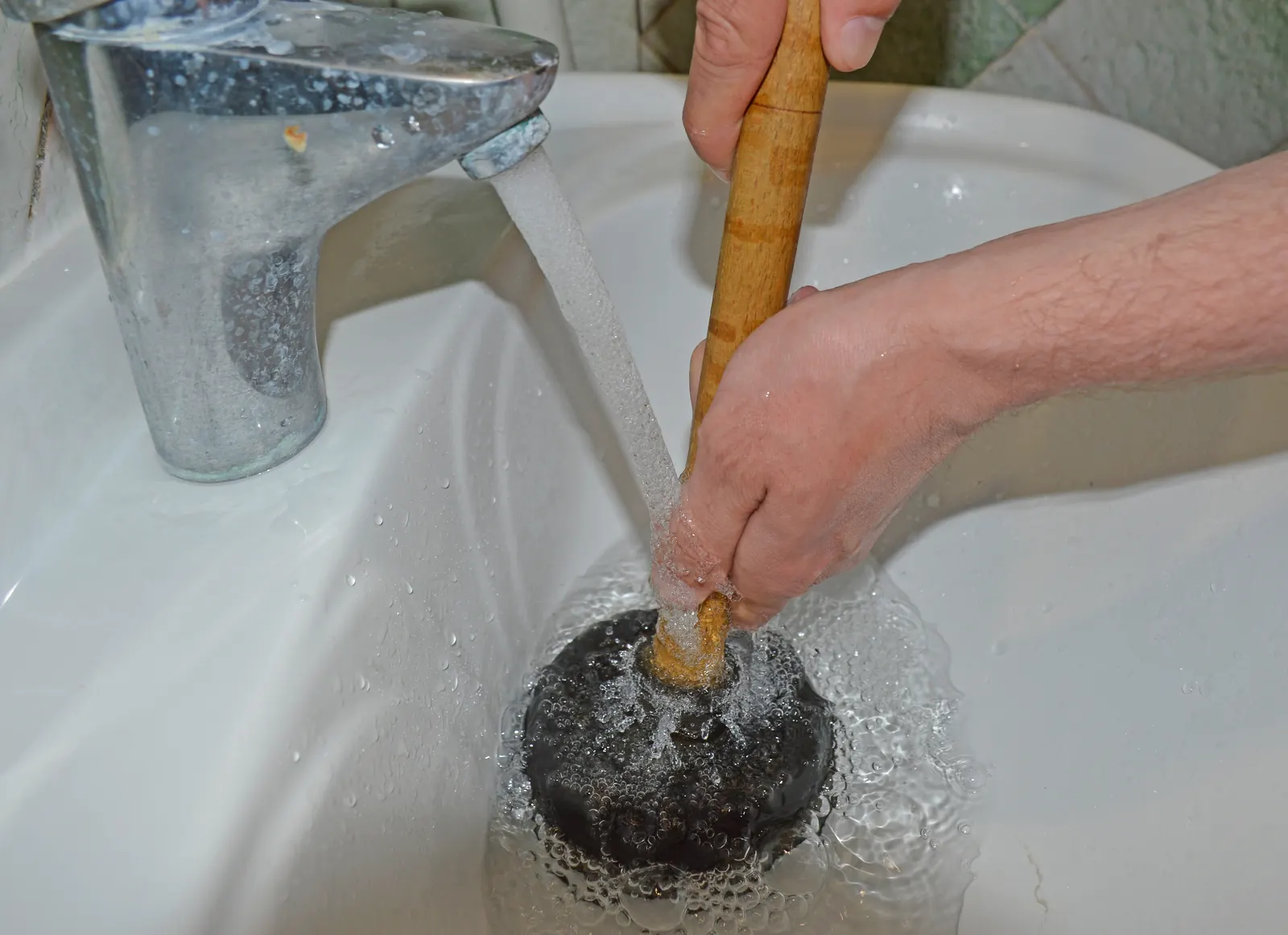
Quick answer: Most Vail sewage backups start at the septic tank or a failing leach field, pushing Category 3 water into tubs and floor drains. Stop water use immediately, keep everyone away from contact, and get matched with a licensed local septic-experienced cleanup crew, 24/7.
Get Connected in Minutes
Call now and tell us code and we’ll connect you with a local, independent sewage backup cleanup crew serving Vail and the Rincon Valley.
📞 Call Now — (612) 886-9863No cost to use this service. We connect you — independent local companies perform the work.
Why Do Sewage Backups in Vail Usually Start at the Septic Tank?
Tucson Restoration Pros is a dispatch and referral service. We connect Vail homeowners with independent, licensed local sewage cleanup companies that carry their own insurance and perform the actual mitigation — we are not a contractor and do not do the work ourselves. Sewage backup, sometimes called black water or category 3 water intrusion, involves contaminated water and requires a different response than a clean-water leak — it is not a job for standard household cleanup.
Vail sits well outside Tucson’s core municipal sewer service area. Much of the rural acreage stretching along Colossal Cave Road, Marsh Station Road, and the Cienega Creek corridor is zoned for large lots on private wells and private septic systems rather than a connection to a city sewer main. That distinction matters: when a Vail homeowner experiences a “sewage backup,” the failure point is almost always the septic tank or the leach/drain field on the property, not a municipal line surcharging during a storm the way it might in a denser, sewer-connected part of Tucson. A tank that hasn’t been pumped on schedule, a drain field saturated after a heavy monsoon storm, or root intrusion from mesquite and palo verde trees into aging septic lateral lines can all cause effluent to back up into household drains instead of flowing out to the tank as designed.
Newer HOA phases vs. rural acreage septic
Vail’s newer master-planned phases — sections of Del Webb at Rincon Valley and other more recently platted subdivisions closer to Colossal Cave Road — are more likely to sit on shared or community wastewater systems with more consistent maintenance schedules. Older rural acreage properties further out toward Marsh Station and Pistol Hill Road are more likely to be on decades-old individual septic systems that a current owner may not have a full maintenance history for, which raises the odds of an overdue pump-out or an aging drain field being the root cause of a backup.
Why a saturated drain field behaves differently than a sewer surcharge
A municipal sewer backup is typically a temporary event tied to a storm or a blockage that clears once the main line has capacity again. A saturated or failing septic drain field is a different problem: if the soil around the field is waterlogged from monsoon rain or the field itself has reached the end of its usable life, wastewater has nowhere to go and will keep backing up into the house until the field is addressed — not just the plumbing inside the home.
Signs of a Septic or Sewage Backup in a Vail Home
- Slow-draining sinks, tubs, or toilets throughout the house, worsening over several days
- A sewage odor near the lowest-elevation drains, or a soggy, foul-smelling patch of yard over the septic tank or drain field
- Gurgling drains, especially after a heavy monsoon storm has saturated the ground around the drain field
- Multiple fixtures backing up at the same time, which usually points to the septic tank or main line rather than one isolated drain
- Visible gray or brown standing water with an unmistakable odor inside the home
What Happens After You Get Connected
Call now and tell us & the issue
A quick form — no phone tag, no hold music. Let us know whether you’re on septic or municipal sewer and which fixtures are affected.
Get matched locally
We connect you with an independent, licensed sewage cleanup company already working in the Vail/Rincon Valley area, equipped for category 3 water response on both septic and sewer systems.
Extraction, disinfection & drying
The local crew extracts contaminated water, removes and disposes of unsalvageable materials, disinfects affected areas, and documents the loss for your insurance file.
Sewage or septic backup in your Vail home right now?
Category 3 water needs a fast, properly-equipped response. Call now and get connected with a local crew today.
Insurance, Septic Coverage & What Vail Homeowners Typically Encounter
Septic system failures are often treated differently than municipal sewer backups on a homeowners policy, and coverage can depend on whether the backup was sudden and accidental versus the result of deferred maintenance like an overdue pump-out. A separate sewer/septic backup endorsement is frequently required for either scenario to be covered at all, so reviewing policy language early — or asking the independent crew you’re connected with to help identify what documentation your insurer will want — matters from the start. Because contaminated water sitting in a warm space can support mold growth within 24 to 48 hours, a quick response also reduces the risk of needing separate mold remediation on top of the cleanup itself.
Costs for septic or sewage backup cleanup vary based on the extent of contamination, how many rooms are affected, and whether structural materials need to be removed and replaced rather than dried. Industry data generally places category 3 water cleanup toward the higher end of the water-damage cost spectrum given the disposal and disinfection requirements involved. This range reflects the broader restoration industry, not a quote from Tucson Restoration Pros or any company we connect you with — your local crew will assess your specific situation on-site.
Leave a Reply