Found Monsoon Water Damage Late? An October Guide for Tucson
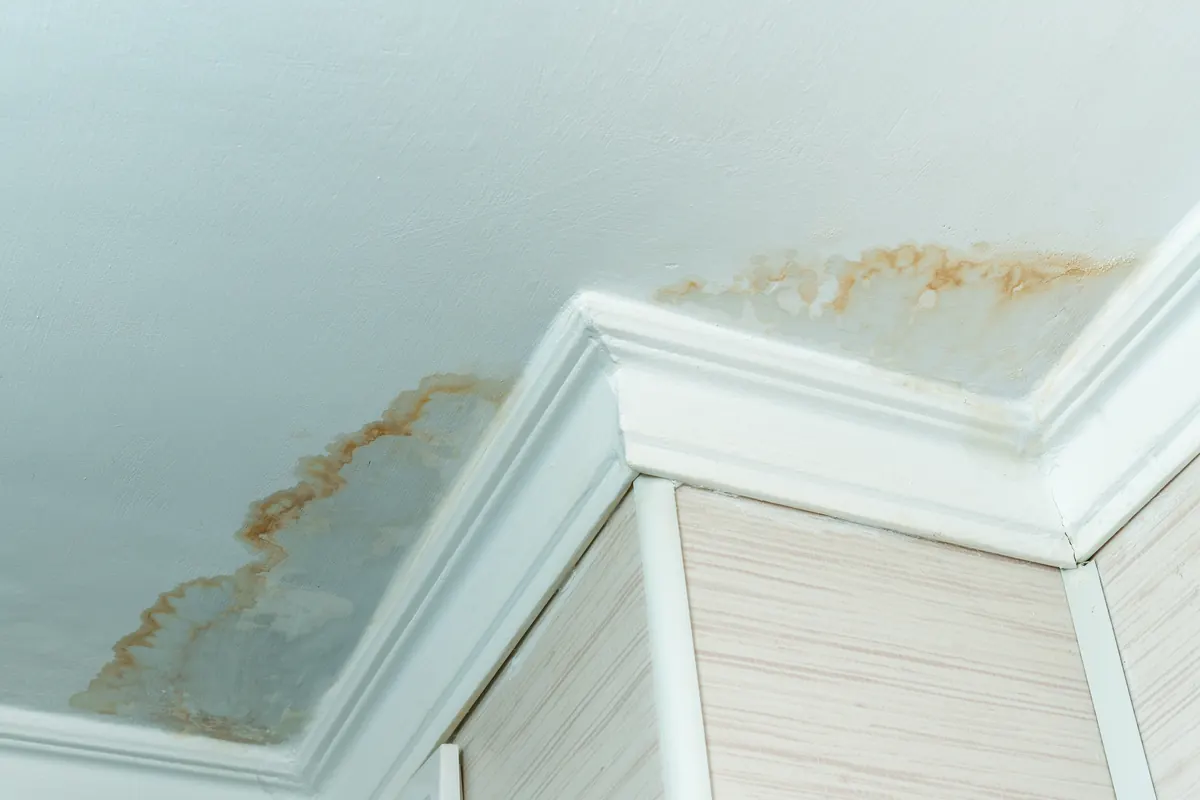
If you’re finding monsoon water damage now, in October, you’re not alone, and it’s not too late. A ceiling stain under the parapet, paint bubbling at a baseboard, a closet that smells musty once the windows are shut: those are classic late finds in Tucson homes. The plan is different from the first 48 hours after a storm, though. Confirm whether it’s still wet, fix how the water got in before the winter rains, figure out whether you’re looking at a drying job or a mold job, and notify your insurer promptly with whatever documentation you have.
Why monsoon damage shows up weeks later in Tucson
Tucson’s dry air is a double-edged sword. It dries a wet surface fast, so a ceiling or wall can look fine a few days after a storm. But the insulation above that ceiling, the back side of the drywall, the bottom plate of a wall, and the pad under the carpet don’t get that same airflow. They can stay damp for weeks while the paint on the room side looks perfectly normal.
Where it tends to hide depends on the house:
- Flat roofs and parapets. Common in Midtown and older central neighborhoods like Sam Hughes and Armory Park. Wind-driven rain finds parapet seams and clogged scuppers, then runs inside the ceiling cavity.
- Stucco cracks around windows. Newer stucco homes in Rita Ranch, Vail, and Marana see sideways rain get behind the frame and into the wall.
- Slab edges. Homes on sloped lots in the Catalina Foothills, or near a wash, can take runoff at the foundation, which wicks into baseboards and the bottom of the drywall.
- Swamp coolers. A pan that overflowed during a humid stretch can soak the ceiling around the register, and it often goes unnoticed until the unit is shut down for the season.
Step 1: Find out if it’s still wet
This is the question that decides everything else. A dry, hard stain with crisp edges that hasn’t grown since August may just be cosmetic. Soft or crumbly drywall, a stain that darkens after the cooler runs or after a rain, paint that bubbles when you press it, or a musty smell all point to moisture that’s still in there.
A restoration pro will check with moisture meters, comparing readings against an unaffected wall of the same material, and often a thermal camera to trace how far the water traveled. Whatever you do, don’t prime and paint over it yet. Paint seals in moisture and hides the evidence an inspector or adjuster needs to see.
Step 2: Fix the way water got in, before winter
It’s tempting to shrug off a roof or stucco repair once the monsoon is over. Don’t. Tucson has a second, gentler rainy season when Pacific storms roll through in winter, and that slow, steady rain tests the same parapet seams, scuppers, and stucco cracks the summer storms opened. A gap left open until next July keeps feeding hidden moisture all winter.
Depending on the source, that means a roofer, a stucco contractor, a cooler tech, or some yard grading. In Arizona, repair work over $1,000 in labor and materials, or work that needs a permit, requires an ROC-licensed contractor, so ask for the license number and look it up on the Arizona Registrar of Contractors site before you pay a deposit.
Found monsoon damage weeks after the storm? Talk to a real Tucson restoration pro about drying, mold, and repairs.
Tap to call (866) 695-5058Tap to reach the 24/7 dispatch line. Free to call, no obligation to book.
Step 3: Drying job or mold job?
The EPA’s guidance is to dry wet building materials within 24 to 48 hours to prevent mold. Monsoon damage you’re finding in October is well past that window, so even if nothing is visible, there’s a real chance of growth inside the cavity. Signs it has crossed over into a mold job: visible spotting, a musty smell that’s strongest in one spot, or drywall and insulation that stayed wet for weeks.
If it’s still a drying job, the pro sets up air movers and dehumidifiers, removes what can’t be dried, and documents readings until materials hit a dry standard. If it’s a mold job, the work adds containment and removal of the affected material before anything is rebuilt. Our main guide to mold remediation in Tucson walks through what that process involves and how to check a company before you sign.
Step 4: Report it to your insurer now
Late discovery is a common situation, and the worst move is waiting even longer. Most homeowners policies ask you to report damage promptly once you know about it. Write down the date you found it, take photos before anything is removed, and note which storm you think caused it. The National Weather Service Tucson office keeps storm records that can help you pin down the date.
Coverage depends on the cause. Policies often cover sudden water entry, like wind-driven rain through a roof that a storm damaged, but commonly exclude long-term seepage, wear and tear, and surface flooding unless you carry a flood policy. Our guide on whether insurance covers monsoon damage in Arizona breaks down what’s typically covered and what usually isn’t. Your adjuster and your policy have the final word.
What restoration looks like on a weeks-old leak
- Moisture mapping to find every wet area, not just the stain you can see
- Fixing or temporarily protecting the entry point
- Controlled removal of wet insulation, drywall, and pad that can’t be dried in place
- Containment and cleaning if mold is present
- Drying to documented readings, then verification
- Rebuild: drywall, texture, paint, and flooring
For the bigger picture on when Tucson’s rain actually falls and why the drying clock matters so much, our Tucson monsoon water-damage report pulls together National Weather Service, Pima County, and EPA data in one place.
FAQ
Is it too late to deal with monsoon water damage in October?
No, but the plan changes. Weeks after a storm, the priority is confirming whether materials are still wet, fixing how the water got in, and checking for mold, rather than emergency water extraction. Damage that is left alone usually gets more expensive, not less.
How can I tell if a monsoon stain is old or still active?
A dry, hard stain with crisp edges that has not grown in weeks is often old. Soft or bubbling drywall, a stain that darkens after rain or after the cooler runs, or a musty smell suggest moisture is still there. A moisture meter reading compared with an unaffected wall nearby is the reliable test.
Will insurance still cover monsoon damage I found weeks later?
It depends on your policy and on what caused the damage. Many homeowners policies cover sudden water entry, such as wind-driven rain through a storm-damaged roof, but exclude long-term seepage, wear and tear, and surface flooding without a flood policy. Report it promptly once you find it and document when and how you found it.
Does weeks-old water damage always mean mold?
Not always, but it is common. The EPA advises drying wet materials within 24 to 48 hours to prevent mold growth, so anything that stayed wet inside a wall or ceiling for weeks deserves a closer look, even if the surface looks clean.
Why fix the roof now if the monsoon is over?
Because Tucson has a second, gentler rainy season when Pacific storms move through in winter. Long, steady winter rain tests the same parapet seams, scuppers, and stucco cracks that monsoon storms opened, and a gap left open until next summer can keep feeding hidden moisture.
Monsoon damage still hanging around? Get connected with a licensed local water damage and mold pro serving Tucson, Oro Valley, Marana, Vail, Sahuarita, and Green Valley.
Tap to call (866) 695-5058Call to get connected with a licensed local restoration pro. Your quote is between you and the pro.
Tucson Restoration Pros is a dispatch and referral service connecting homeowners with independent, licensed local water and mold restoration companies across Tucson & Southern Arizona. We are not a licensed restoration contractor and do not perform restoration work ourselves.
Leave a Reply