Author: Tucson Restoration Pros Editorial Team
-
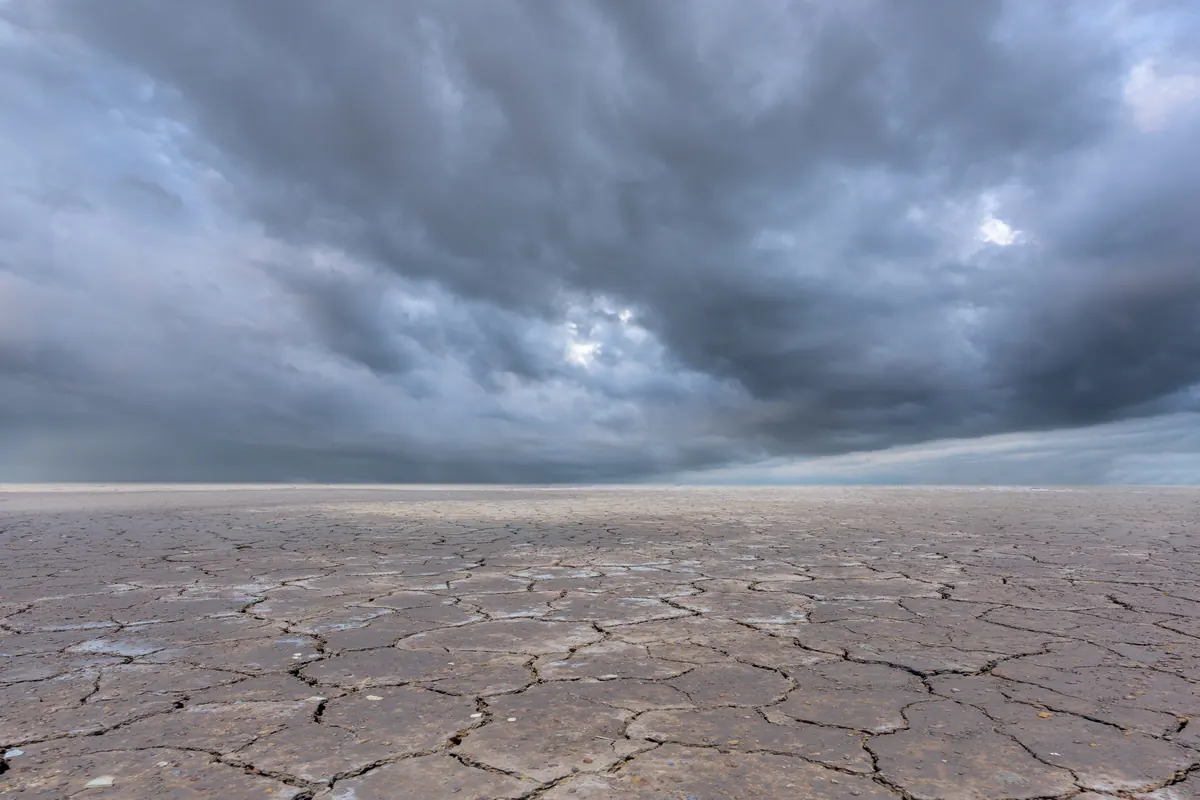
Haboob Dust Storms Before the Rain: How Wind-Driven Debris Sets Up Tucson Homes for Monsoon Water Damage
Haboob Dust Storms Before the Rain: How Wind-Driven Debris Sets Up Tucson Homes for Monsoon Water Damage The classic Tucson monsoon sequence runs in a specific order: a wall of dust rolls in first, visibility drops to nothing for a few minutes, and then, sometimes twenty or thirty minutes later, the actual rain arrives behind…
-
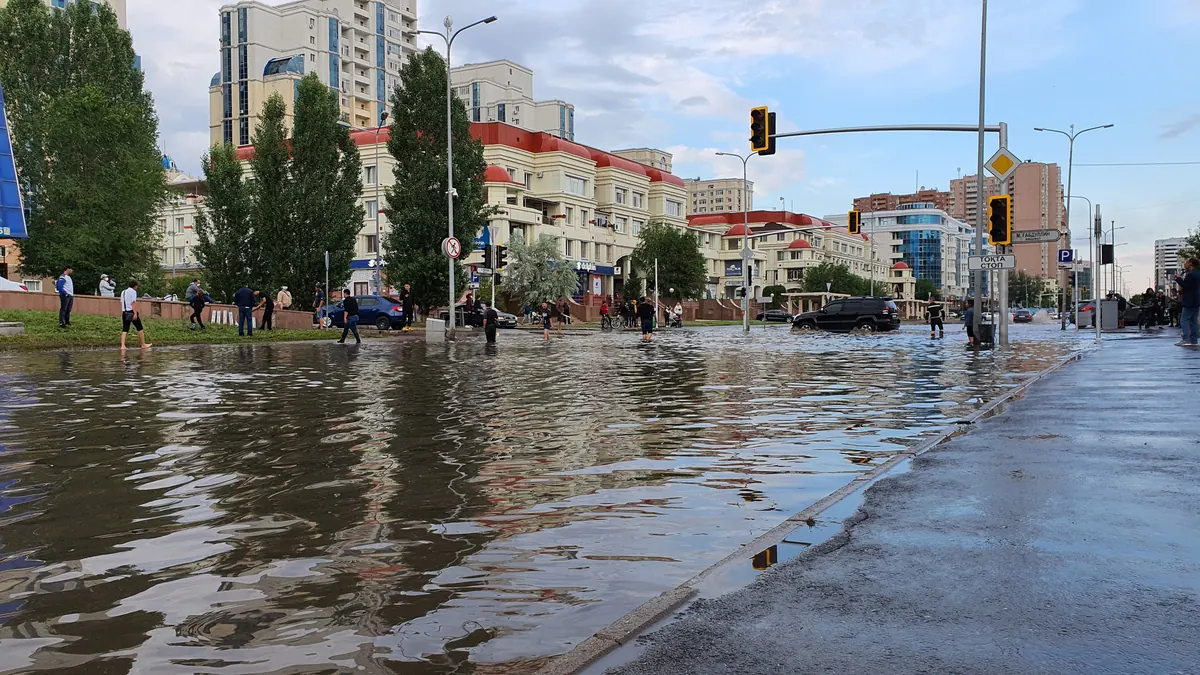
Xeriscape Yard Drainage and Monsoon Flooding: Why Gravel Yards Push Water Into Tucson Foundations
Xeriscape Yard Drainage and Monsoon Flooding: Why Gravel Yards Push Water Into Tucson Foundations Xeriscaping is the right call for a Tucson water bill, but a gravel-and-rock yard doesn’t drain the way grass does — and during a monsoon downpour, that difference shows up fast. Homeowners who never had a water problem in a grass…
-
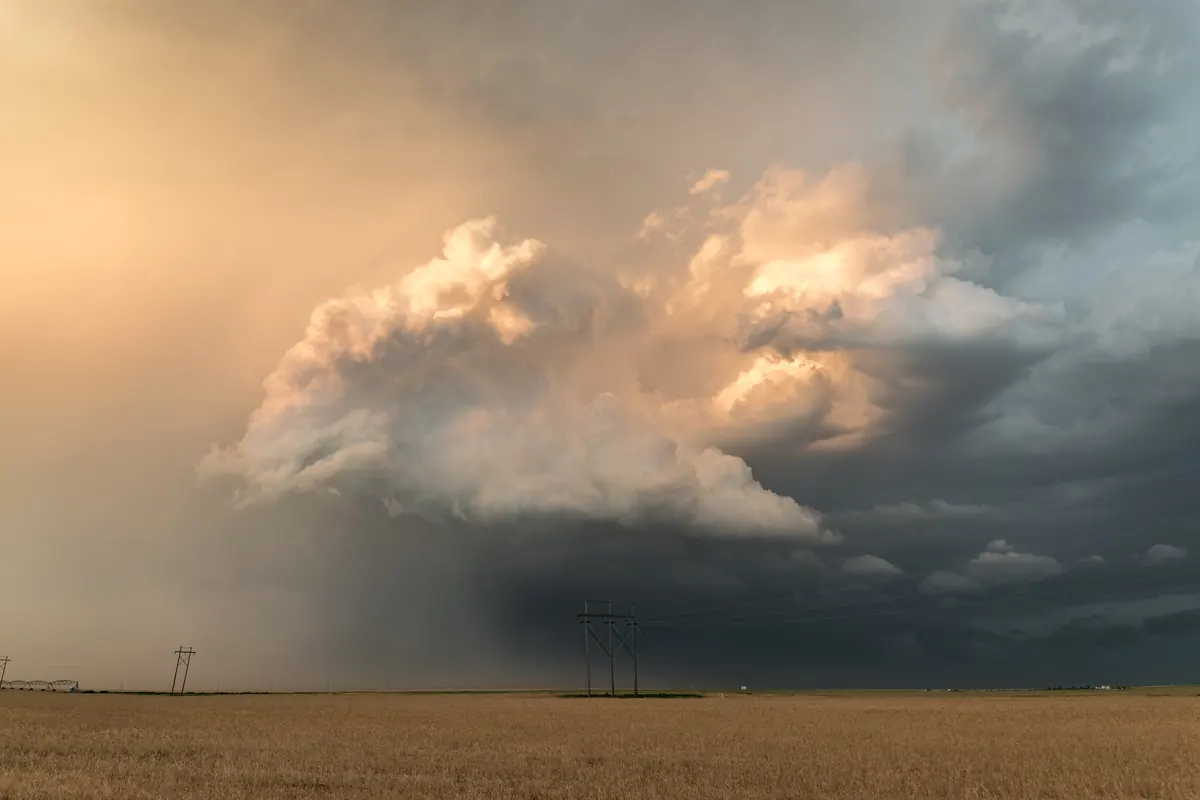
Window Leaks During Tucson Monsoon Storms: Why Wind-Driven Rain Gets Past Stucco and Frames
Monsoon rain arrives sideways in Tucson, and windows are where stucco walls give up first. Corner cracks, baked-out caulk, clogged weeps — how to tell window-wall leaks from roof leaks and what the water does inside the wall.
-
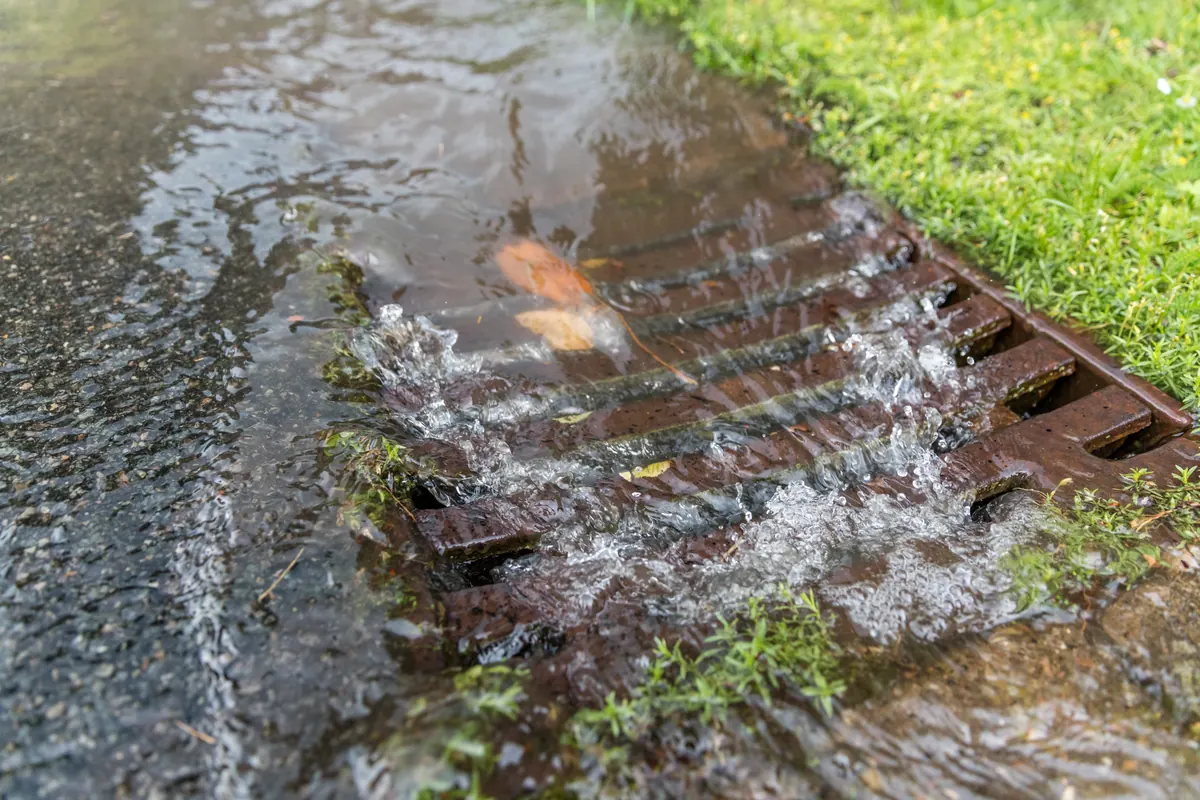
Sewer Backups During Tucson Monsoon Storms: Why Drains Reverse When It Rains Hard
When a monsoon cell drops an inch in forty minutes, Tucson’s lowest drains can reverse. Why mains surcharge, why backup water is Category 3, the warning signs, and the backwater-valve fix.
-
AC Condensate Overflow: Tucson’s Summer-Heat Water Damage Risk
When Tucson’s AC runs nonstop through 110-degree afternoons, a clogged condensate line can quietly flood a closet, attic, or ceiling — no monsoon storm required. Here’s how it happens and what to watch for.
-
Monsoon Roof Leaks on Tucson Flat Roofs: What Homeowners Miss
Tucson’s flat and low-slope built-up roofs handle monsoon downpours differently than pitched shingle roofs elsewhere. Here’s why leaks show up days later, where they actually start, and what to check after every storm.
-
Mold After Monsoon Flooding in Tucson: Why “It Dried Out” Doesn’t Mean It’s Safe
Tucson’s monsoon storms are brief, then the heat comes right back — which is exactly why homeowners assume the mold risk left with the water. It didn’t. Here’s where mold actually grows after a flash-flood or roof leak, and why a visual check isn’t enough.
-
Category 1, 2, or 3? Why the Water Type Changes Everything About Your Tucson Cleanup
Not all water damage is treated the same. The IICRC’s Category 1/2/3 classification determines whether a job is a simple extraction or a full biohazard containment — here’s how Tucson crews tell the difference.
-
Spring Start-Up, Fall Shutdown: When Tucson Swamp Coolers Actually Fail
Roof-mounted evaporative coolers fail at two predictable times of year in Tucson: spring start-up and fall shutdown. Here’s why those windows matter and what to check before the water damage happens.
-
Tucson Monsoon Season Prep Checklist: What to Do Before June 15
The Tucson monsoon runs June 15 through September 30. A short pre-season checklist — roof, swamp cooler, drainage, documentation — can be the difference between a nuisance and a claim.